Home / News / Industry News / Passenger Cars Clutch Kits: Signs, Lifespan & How to Choose the Right One
 2026.05.14
 Industry News
Content
Every gear change you make depends on one thing working right: the clutch. Yet most drivers don't think about it until the car refuses to move. A passenger car clutch kit is the complete set of components that transfers engine power to the transmission — and knowing when to replace it, how to choose one, and how to make it last can save you hundreds of dollars and a roadside headache.
A clutch kit bundles the three core wear components into a single matched set: the clutch disc (the friction plate that grips the flywheel), the pressure plate (the spring-loaded clamp that presses the disc), and the release bearing (which disengages the assembly when you press the pedal). Some kits also include a pilot bearing or concentric slave cylinder.
Replacing all three together is always the smarter call. Since the transmission must come out to access any one of them, mixing new parts with worn ones is a false economy — you'll be pulling the gearbox again in short order. For passenger car clutch replacement parts designed to work as a system, matched kits are the industry standard for a reason.
A failing clutch rarely quits without warning. Here are the five signals that tell you it's time:
Ignoring these symptoms doesn't buy you time — it turns a clutch replacement into a clutch-plus-flywheel-plus-transmission repair.
For most passenger cars, a clutch kit typically lasts between 50,000 and 100,000 miles, with the majority of daily drivers landing around 60,000–80,000 miles before replacement. But that range is wide for good reason — your driving habits matter more than the odometer.
City drivers who stop and start constantly, make frequent hill starts, or habitually rest their foot on the clutch pedal can wear out a kit in under 40,000 miles. Highway commuters who shift infrequently often see their original clutch pass 120,000 miles without issue. Towing a trailer, carrying heavy loads, or driving aggressively all accelerate wear by forcing the clutch to handle more torque than it was sized for.
Clutch material also plays a role. Organic (asphalt) discs offer smooth, quiet engagement but wear faster. Ceramic or Kevlar-blend discs handle heat better and last longer under demanding conditions, though they can be harder on the flywheel surface.
The most reliable starting point is OEM specification. A kit that matches your vehicle's original torque rating, disc diameter, and spline count will deliver the same pedal feel and service life as the factory clutch. For the vast majority of daily drivers, this is the right choice.
If your vehicle has a dual-mass flywheel (DMF) — common on modern European and diesel models — check whether the kit is DMF-compatible. Using a solid flywheel conversion kit on a DMF application can increase NVH (noise, vibration, harshness) and reduce comfort. Conversely, fleet vehicles and taxis often benefit from solid flywheel kits precisely because DMFs are expensive to replace repeatedly.
For trucks or vehicles used in heavy-duty applications, compare with medium and heavy-duty clutch solutions — a standard passenger car kit isn't rated for sustained high-torque loads. Always confirm the kit's torque capacity against your engine's output, especially after any performance modifications.
Browse the full range of options in our complete automobile clutch catalog to find the right fit for your application.
The single most damaging habit is riding the clutch — keeping your foot partially on the pedal while driving. This creates constant slipping friction and heat even when you're not actively shifting. Keep your left foot off the pedal entirely unless you're about to change gear.
At traffic lights, shift to neutral and release the clutch rather than sitting in first with the pedal depressed. On hills, use the handbrake to hold position instead of balancing at the biting point — the latter can burn through friction material in minutes on a steep gradient. Make gear changes clean and decisive: a fully engaged or fully released clutch wears far less than one held halfway.
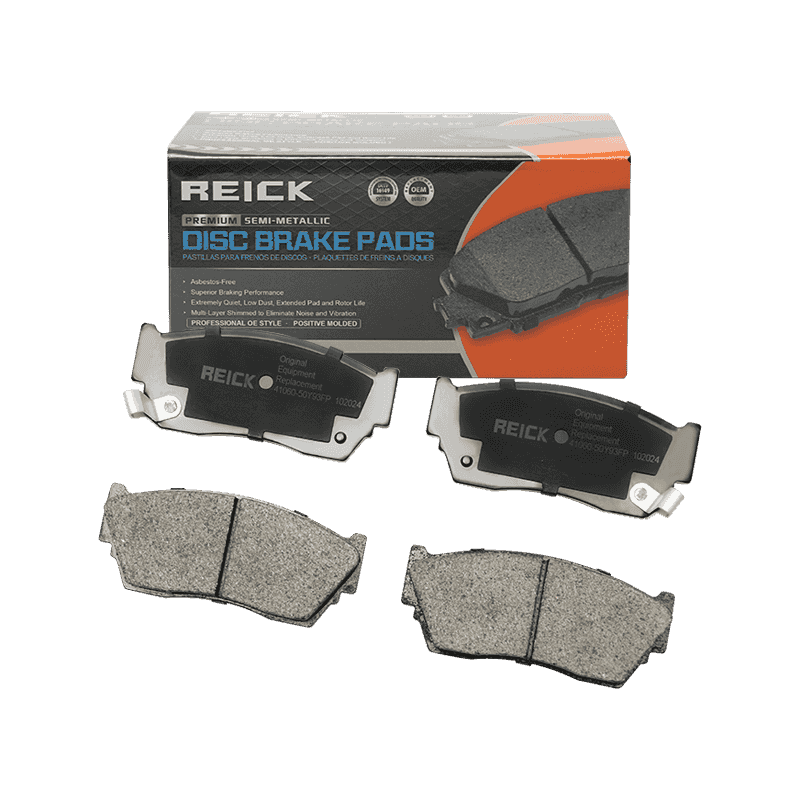
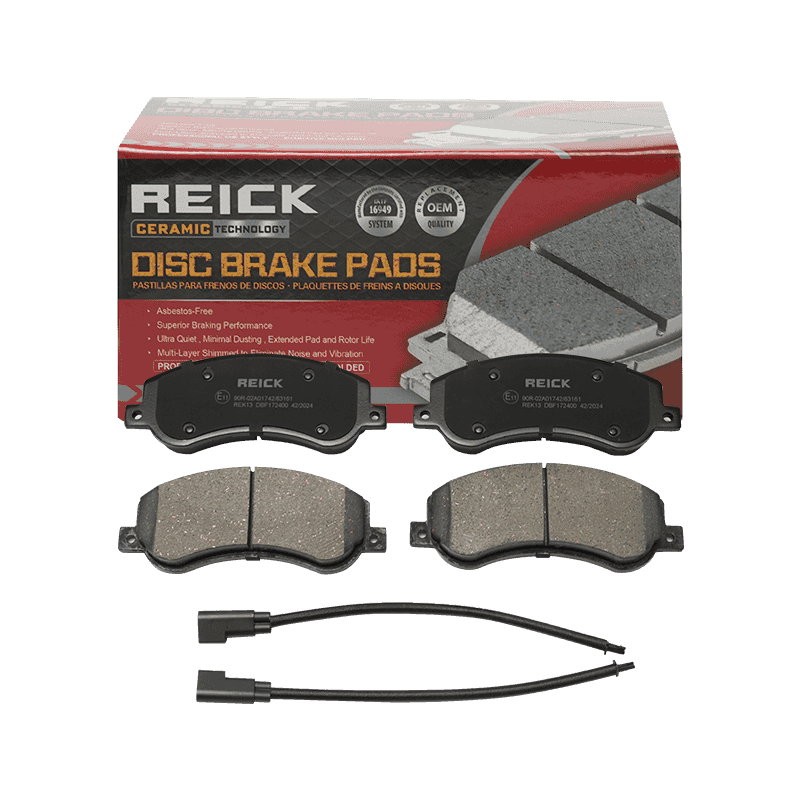
Finally, keep an eye on your hydraulic fluid reservoir and top it up at manufacturer-recommended intervals (typically every 20,000 miles or two years). Low or contaminated fluid leads to soft pedal feel and inconsistent engagement — both early warnings worth catching before they turn into a full kit replacement. While you're under the bonnet, it's also worth checking your ceramic and semimetallic brake pads — brakes and clutch work together on every stop, and keeping both in top condition keeps your whole drivetrain healthy.
Recommended Products


+86-139 6193 3287
+86-515-88410559

+86-515-88580498

reickchina@reickparts.com

B1002 Huabang Dong No.1# South Renmin Road, Tinghu District, Yancheng City, Jiangsu, China
Copyright © 2024 Yancheng Reick Automotive Parts Co., Ltd. All Rights Reserved.
Automotive Brake Manufacturers Automotive Clutch Parts Suppliers



 English
 Español
 italiano