Home / News / Industry News / Asbestos-Free Brake Linings for Heavy-Duty Trucks & Commercial Vehicles
 2026.07.10
 Industry News
Content
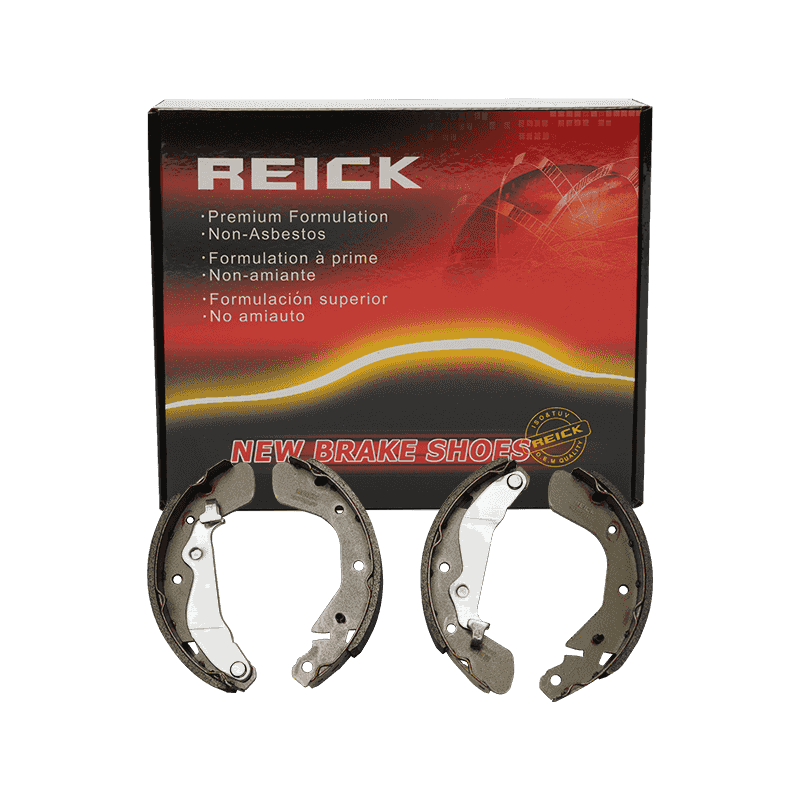
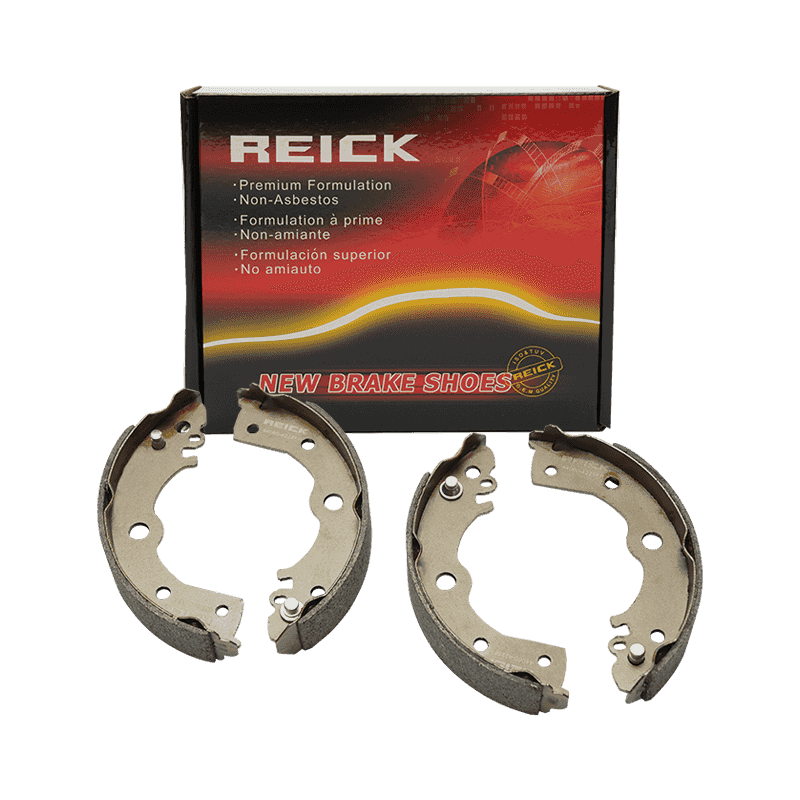
Asbestos-free brake linings reinforced with embedded metal wire deliver a decisive advantage for heavy-duty and commercial vehicles. They provide superior heat dissipation, a more stable friction coefficient, and significantly less drum wear compared to conventional materials, while eliminating the health risks tied to asbestos. Fleets operating in demanding conditions benefit from extended service intervals and cleaner wheel ends without sacrificing stopping power.
Asbestos was once standard in brake linings for its heat resistance and low cost, but its carcinogenic fibers forced a global regulatory shift. Heavy-duty trucks and buses, which generate extreme brake temperatures on long descents, can no longer rely on materials that endanger technicians and the environment. Modern asbestos-free formulations use aramid fibers, ceramic particles, and metallic wire to replicate thermal stability while meeting IATF16949 and OE‑level testing benchmarks. The result is a lining that matches or exceeds the durability of older materials without the associated health hazards.
A defining feature of high‑end asbestos‑free linings is the integration of metal wire mesh or strands directly into the friction matrix. This construction creates thermal pathways that draw heat away from the friction surface and into the shoe structure, lowering peak interface temperatures. Controlled tests on a fully loaded tractor‑trailer descending a 6% grade showed that linings with copper‑plated steel wire mesh maintained a drum temperature 28°C lower than comparable semi‑metallic linings. Lower heat means the friction material resists fade, and the coefficient of friction (µ) remains within a predictable window of 0.38 to 0.42 under hot stop conditions, offering the driver consistent pedal feel.
The embedded wire does more than cool; it acts as a secondary abrasive that cleans the drum surface of glaze. This micro‑conditioning effect keeps the friction couple fresh, which is why many long‑haul operators report that the brake torque variation drops by up to 18% over the first 20,000 kilometers compared with non‑wire linings. Consistent torque translates into even wear across all wheel positions and reduces pulling complaints during wet or dry braking.
Brake drum replacement is a major cost for commercial vehicle fleets. Asbestos‑free linings engineered with a balanced filler‑and‑wire package exhibit a specific drum wear rate of only 0.18 µm per stop, compared to 0.45 µm recorded by some traditional semi‑metallic linings in stop‑and‑go delivery cycles. This gentle interaction extends drum life by 30–50%, directly cutting downtime. Simultaneously, the low‑dust formulation holds the friction debris within the compound rather than releasing it as airborne particles. Field data from urban bus operators shows wheel dust accumulation reduced by 60%, which keeps hubs cleaner, lowers cleaning costs, and reduces the risk of abrasive dust damaging wheel seals.
Consistent performance depends on process control. Reputable suppliers subject every batch of raw material to screening and comparative testing before production. Advanced mixing and hot‑press cycles, coupled with real‑time in‑line inspection, keep physical properties such as density, hardness, and shear strength within narrow bands. All products pass IATF16949‑certified quality management systems, and factories maintain OE‑matching dynamometer and shear test rigs. This traceability allows every lining set to be tracked to its original material lot, and a one‑year warranty backs the product against manufacturing defects.
The table below compares a typical asbestos‑free lining with metal wire insertion against a conventional semi‑metallic formulation, based on SAE J2115 dynamometer tests for a Class‑8 truck axle.
| Property | Conventional Semi‑Metallic | Asbestos‑Free with Wire Insertion |
|---|---|---|
| Hot friction coefficient (µ) | 0.30 – 0.35 | 0.38 – 0.42 |
| Lining wear rate (mm / 1 000 km) | 0.14 | 0.08 |
| Drum wear (µm / stop) | 0.45 | 0.18 |
| Dust emission (g / brake / 100 stops) | 9.2 | 3.7 |
| Fade recovery time (seconds) | 2.8 | 1.9 |
The figures highlight the wire‑reinforced lining’s ability to hold a higher µ while protecting the drum and generating less airborne dust, which directly benefits maintenance budgets and environmental compliance.
Distributors across more than 50 countries in Europe, the Americas, and Southeast Asia have adopted these linings for mixed fleets ranging from regional delivery trucks to 80‑tonne mining haulers. In one European long‑haul trial, a fleet of 45 tractor units recorded an average lining life extension of 22% over the previous brand, with zero brake fade complaints on alpine crossings. A Southeast Asian bus operator saw drum replacement intervals stretch from 180 000 km to 260 000 km after switching, and the lower dust emission helped the fleet pass roadside environmental inspections without remediation. These outcomes are backed by flexible cooperation terms and reliable supply, which makes the transition to asbestos‑free technology both operationally and financially sound.
Recommended Products


+86-139 6193 3287
+86-515-88410559

+86-515-88580498

reickchina@reickparts.com

B1002 Huabang Dong No.1# South Renmin Road, Tinghu District, Yancheng City, Jiangsu, China
Copyright © 2024 Yancheng Reick Automotive Parts Co., Ltd. All Rights Reserved.
Automotive Brake Manufacturers Automotive Clutch Parts Suppliers



 English
 Español
 italiano