2026.02.28
 Industry News
Content
Brake pads are the most frequently replaced safety component on any vehicle. They are the friction material that clamps against the brake rotor to slow and stop your car, and when they wear out, stopping distances increase dramatically — sometimes by 20–30% or more. Replacing worn brake pads promptly is one of the most cost-effective ways to maintain vehicle safety.
Most passenger vehicles need new brake pads every 30,000 to 70,000 miles, depending on driving style, pad material, and road conditions. City drivers who brake frequently may replace them closer to the 30,000-mile mark, while highway drivers can often reach 60,000–70,000 miles before replacement is needed.
Choosing the right brake pad type depends on your vehicle, budget, and driving habits. There are four main categories used in modern vehicles:
Made from materials like rubber, glass, and carbon compounds bonded with resin, organic pads are the softest and quietest option. They generate less heat and are gentler on rotors, but wear out faster — typically within 20,000–40,000 miles. Best suited for light-duty, everyday commuter vehicles.
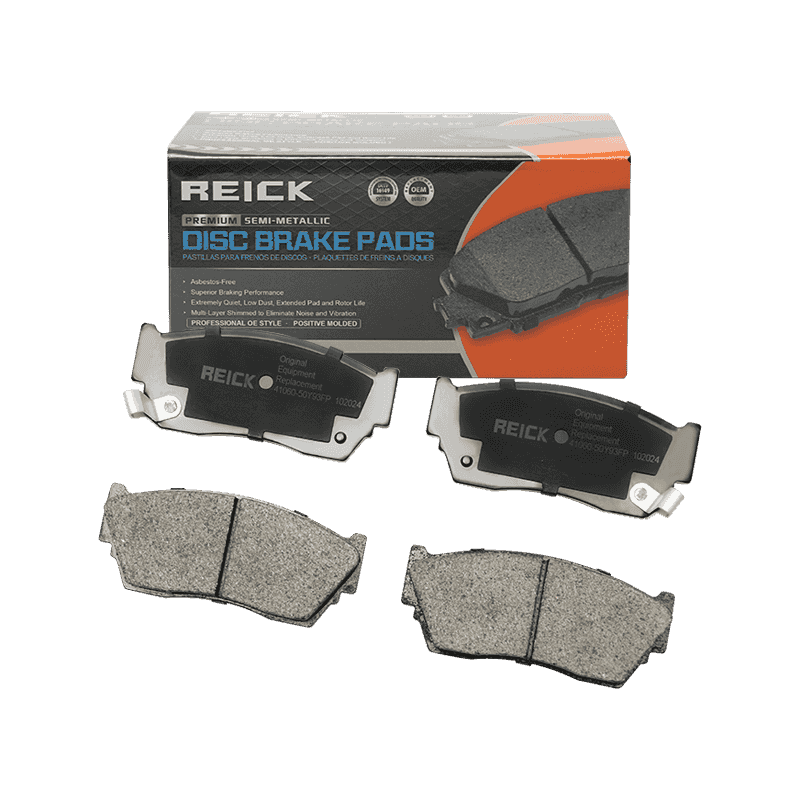
Semi-metallic pads contain 30–65% metal content (steel wool, copper, iron powder) mixed with fillers and bonding agents. They offer excellent heat dissipation and braking performance, making them the most popular choice for a wide range of vehicles. However, they can be noisier and cause more rotor wear than organic pads.
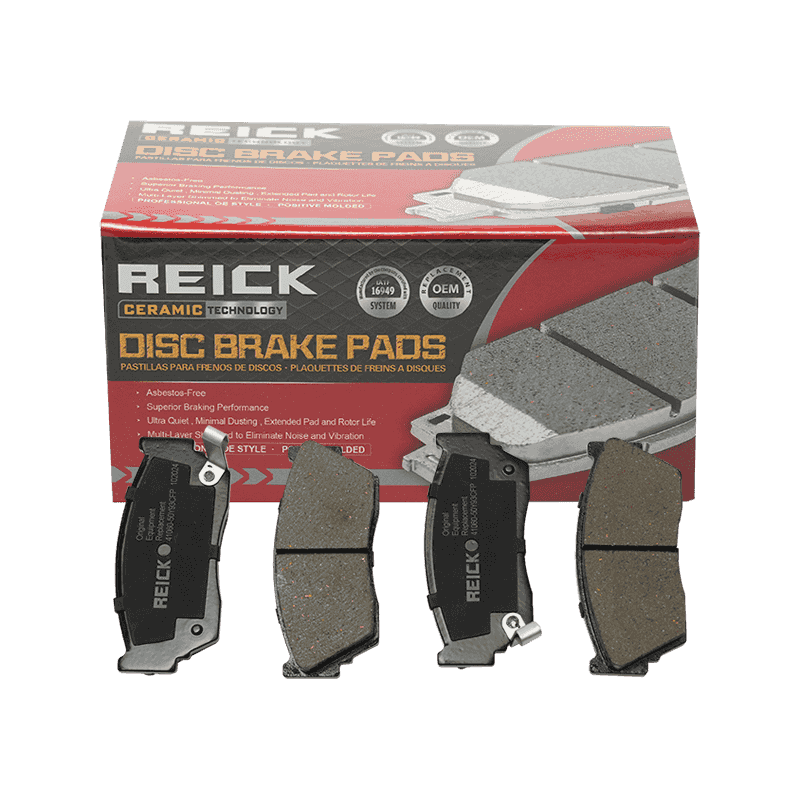
Ceramic brake pads are made from dense ceramic fibers and nonferrous filler materials. They produce less dust, run quieter, and last longer — often 50,000–70,000 miles — but come at a higher cost. They are ideal for daily drivers who prioritize comfort and cleanliness, especially on luxury or mid-range vehicles.
A hybrid of organic and metallic formulas, low-metallic pads contain about 10–30% metal. They offer better heat transfer and braking performance than pure organic pads but produce more dust and noise. They strike a middle ground for drivers who want improved stopping power without the full cost of ceramic pads.
| Type | Lifespan | Noise Level | Rotor Wear | Cost | Best For |
|---|---|---|---|---|---|
| Organic | 20,000–40,000 mi | Low | Low | $ | Light daily driving |
| Semi-Metallic | 30,000–60,000 mi | Medium | Medium | $$ | Most vehicle types |
| Ceramic | 50,000–70,000 mi | Very Low | Low | $$$ | Comfort, luxury vehicles |
| Low-Metallic NAO | 25,000–50,000 mi | Medium | Medium | $$ | Performance-minded drivers |
Ignoring worn brake pads puts your safety — and others' — at serious risk. Watch for these clear warning signs:
The "best" brake pad depends entirely on how and where you drive. Here's a practical framework for making the right choice:
For standard city and highway commuting, ceramic pads offer the best balance of longevity, low noise, and clean wheels. For trucks, SUVs, or vehicles used for towing, semi-metallic pads handle heat better and maintain performance under load. For performance or track driving, high-carbon or motorsport-grade pads are engineered to withstand extreme temperatures that would cause standard pads to fade.
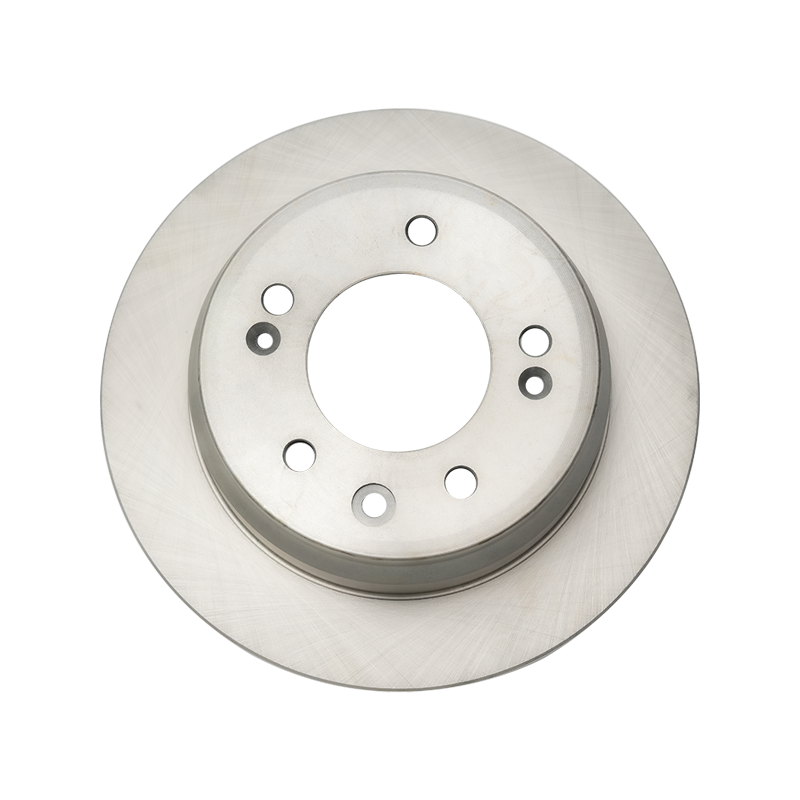
Mixing aggressive metallic pads with standard cast iron rotors can accelerate rotor wear significantly, sometimes cutting rotor life in half. Always check the manufacturer's recommendations and, when possible, replace pads and rotors together — especially if rotors are already near their minimum thickness specification.
In wet climates, pads with strong initial "cold bite" performance reduce the fade effect caused by moisture on the rotor surface. In dusty or sandy environments, harder ceramic pads are more resistant to abrasion and contamination than organic alternatives.
Brake pad replacement is one of the more affordable maintenance services, but costs vary depending on pad type, vehicle, and whether rotors also need replacing.
| Service | DIY Cost | Shop Cost (per axle) |
|---|---|---|
| Organic pads only | $15–$35 | $80–$130 |
| Semi-metallic pads only | $25–$65 | $100–$160 |
| Ceramic pads only | $40–$100 | $130–$220 |
| Pads + rotors (semi-metallic) | $80–$180 | $200–$400 |
DIY replacement is achievable for most rear-wheel and front-wheel disc brake setups with basic tools. However, vehicles with electronic parking brake systems integrated into the rear calipers require a specialized reset tool, making professional service more practical for those models.
Good driving habits can meaningfully extend brake pad lifespan and reduce overall maintenance costs. Consider the following practices:
Studies on driving behavior and brake wear consistently show that aggressive city drivers can wear through pads twice as fast as moderate highway drivers covering the same mileage — reinforcing that driving style is often the single biggest variable in pad longevity.
New brake pads require a bedding-in period to perform optimally. Skipping this step can lead to uneven pad deposits on the rotor, vibration, and reduced stopping power. A standard bedding procedure looks like this:
After bedding, you may notice a light gray or blue tint on the rotor surface — this is the transferred pad material and is a sign the process worked correctly.
Recommended Products


+86-139 6193 3287
+86-515-88410559

+86-515-88580498

reickchina@reickparts.com

B1002 Huabang Dong No.1# South Renmin Road, Tinghu District, Yancheng City, Jiangsu, China
Copyright © 2024 Yancheng Reick Automotive Parts Co., Ltd. All Rights Reserved.
Automotive Brake Manufacturers Automotive Clutch Parts Suppliers



 English
 Español
 italiano