2026.03.06
 Industry News
Content
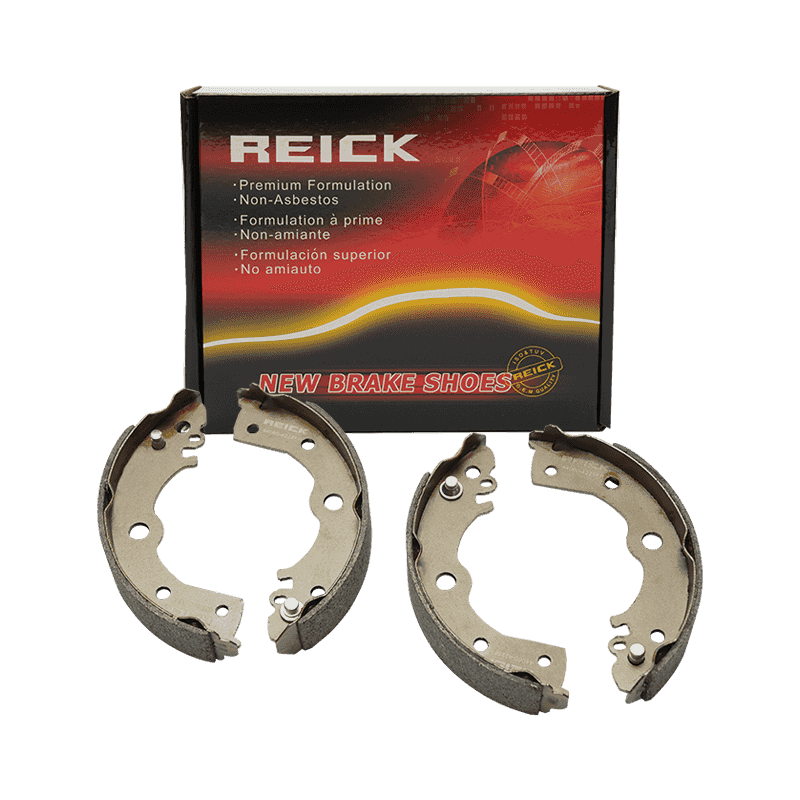
A brake shoe is a curved metal component lined with friction material that presses outward against the inner surface of a brake drum to slow or stop a vehicle. It is the core working part of a drum brake system, and keeping it in good condition is directly tied to stopping distance, pedal feel, and overall driving safety.
Most vehicles with drum brakes on the rear axle rely on two brake shoes per wheel. When the driver presses the brake pedal, hydraulic pressure forces the shoes outward against the drum, generating the friction needed to decelerate. When the friction lining wears below 1.5 mm to 2 mm, brake shoes should be replaced to prevent metal-on-metal contact and brake failure.
Understanding the function of a brake shoe starts with the drum brake assembly. The drum rotates with the wheel, while the shoes remain stationary until braking force is applied. The key components working alongside the brake shoe include:
In a leading-trailing shoe setup, which is most common on passenger vehicles, one shoe is oriented to be pulled into the drum during forward braking (leading), increasing its grip, while the other (trailing) experiences less force. This design distributes wear unevenly, so the leading shoe typically wears out faster and may need replacement sooner than the trailing shoe.
In a duo-servo configuration, used more often in heavier vehicles and parking brake systems, both shoes are connected so the force from one amplifies the other. This setup produces stronger braking but is more sensitive to adjustment.
The friction material bonded or riveted onto the metal shoe arc determines braking power, heat resistance, and longevity. There are three main types of lining material used today:
| Material Type | Heat Tolerance | Dust Level | Typical Use | Approximate Lifespan |
|---|---|---|---|---|
| Organic (non-asbestos) | Moderate | High | Light-duty passenger cars | 30,000 to 50,000 miles |
| Semi-metallic | High | Moderate | Trucks, towing, varied conditions | 50,000 to 70,000 miles |
| Ceramic composite | Very high | Low | Performance and heavy-load applications | 70,000 miles or more |
For most everyday passenger vehicles, organic or semi-metallic linings offer a practical balance of performance and cost. Ceramic options are worth considering for vehicles that carry heavy loads regularly or operate in mountainous terrain where brakes are applied more frequently.
Brake shoes do not always wear evenly, and some warning signs appear before complete failure. Recognizing them early reduces repair costs and prevents rotor or drum damage.
A high-pitched squeal when slowing down often indicates a wear indicator tab making contact with the drum. This is intentional: the tab is engineered to create noise before the lining is fully depleted. A grinding or scraping sound usually means the lining is gone entirely, and metal is contacting the drum, which requires immediate service.
On many vehicles, the drum can be removed without special tools after removing the wheel. Once the drum is off, the lining thickness is visible. Any measurement under 2 mm is a strong replacement indicator, and some technicians recommend replacing at 3 mm as a conservative safety margin, especially on vehicles used for towing or frequent heavy braking.
Brake shoe lifespan varies widely depending on how and where a vehicle is driven. The commonly cited range of 30,000 to 70,000 miles is a general estimate and not a reliable replacement schedule on its own.
Replacing brake shoes without inspecting related components often leads to premature failure of the new shoes. A complete service should evaluate the following:
Every drum has a maximum diameter stamped or cast into its surface. When the drum is machined or worn beyond this dimension, it cannot safely handle the heat generated during braking and must be replaced. A drum that measures within 0.03 inches of the discard diameter should be replaced rather than resurfaced, as the remaining material is insufficient to absorb braking heat without warping.
The wheel cylinder applies hydraulic pressure to spread the shoes. A leaking cylinder contaminates the new lining with brake fluid, causing the friction material to glaze and lose effectiveness almost immediately. Always inspect the cylinder for seeping fluid before installing new shoes.
Springs fatigue over time and lose their tension. Weak return springs allow the shoe to drag lightly against the drum even when the brake is released, which generates heat and wears the new lining prematurely. Spring kits are inexpensive and should generally be replaced during every shoe service.
The adjuster is a threaded mechanism that automatically maintains the correct gap between shoe and drum as the lining thins. Corrosion can seize the adjuster in place, causing the gap to grow over time. A functioning adjuster keeps pedal travel consistent and ensures even wear across the shoe surface.
Replacing brake shoes is a manageable task for those with mechanical experience, but the assembly order and spring routing are critical. Errors in reassembly can cause brake drag, uneven wear, or loss of braking function.
Always replace shoes in axle pairs, meaning both the left and right wheels on the same axle at the same time. Replacing only one side creates an imbalance in braking force that causes the vehicle to pull toward the side with more friction material.
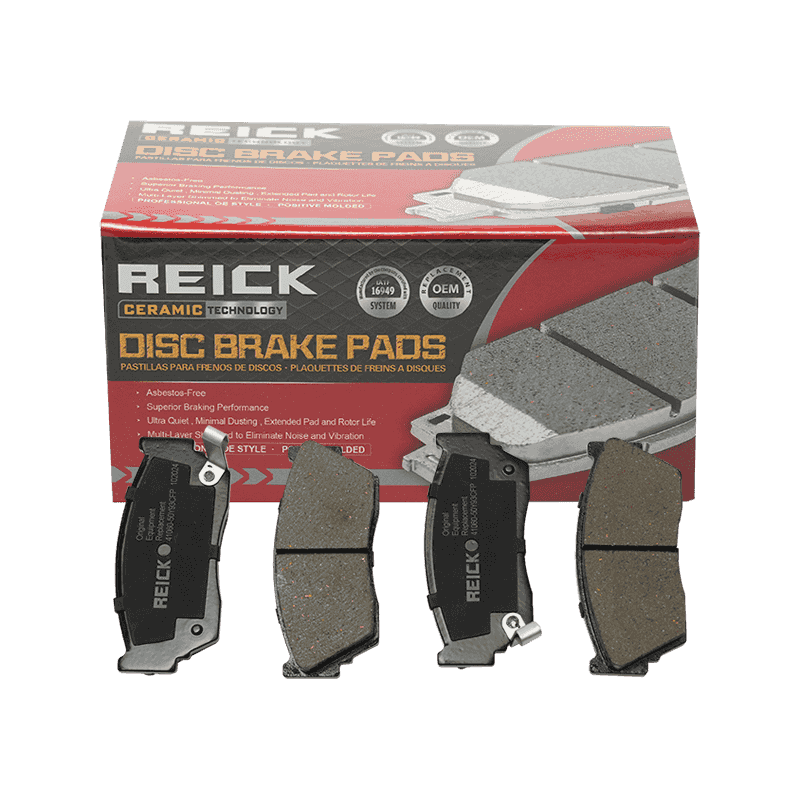
Brake shoes and brake pads serve the same purpose but operate in fundamentally different systems. Confusion between the two is common, particularly when servicing a vehicle for the first time.
| Feature | Brake Shoe | Brake Pad |
|---|---|---|
| System type | Drum brake | Disc brake |
| Shape | Curved arc | Flat rectangle |
| Contact surface | Inner drum wall | Rotor face |
| Heat dissipation | Slower, enclosed system | Faster, open to airflow |
| Common axle position | Rear (most passenger vehicles) | Front (all), rear (many newer vehicles) |
| Self-energizing effect | Yes, on leading shoe | No |
Many vehicles use disc brakes on the front axle and drum brakes with brake shoes on the rear. In these setups, the rear drum brakes typically handle a smaller share of total braking force, around 20 to 30 percent, which is why rear brake shoes often last longer than front disc brake pads on the same vehicle.
On vehicles with rear drum brakes, the parking brake typically operates by mechanically pulling the rear brake shoes against the drum using a cable system. This is independent of the hydraulic brake circuit, meaning the parking brake can function even if the hydraulic system has a leak.
Worn brake shoes directly impair parking brake effectiveness. A vehicle that rolls slightly while parked on a slope, despite the parking brake being engaged, often has worn rear brake shoes rather than a cable problem. Replacing the shoes frequently restores full parking brake holding force without any cable adjustment.
On vehicles equipped with rear disc brakes, a separate small drum brake assembly integrated into the rear rotor hub handles the parking brake function. This secondary drum setup also contains small brake shoes that wear independently and require periodic inspection, even though they are rarely used for active stopping.
Recommended Products


+86-139 6193 3287
+86-515-88410559

+86-515-88580498

reickchina@reickparts.com

B1002 Huabang Dong No.1# South Renmin Road, Tinghu District, Yancheng City, Jiangsu, China
Copyright © 2024 Yancheng Reick Automotive Parts Co., Ltd. All Rights Reserved.
Automotive Brake Manufacturers Automotive Clutch Parts Suppliers



 English
 Español
 italiano