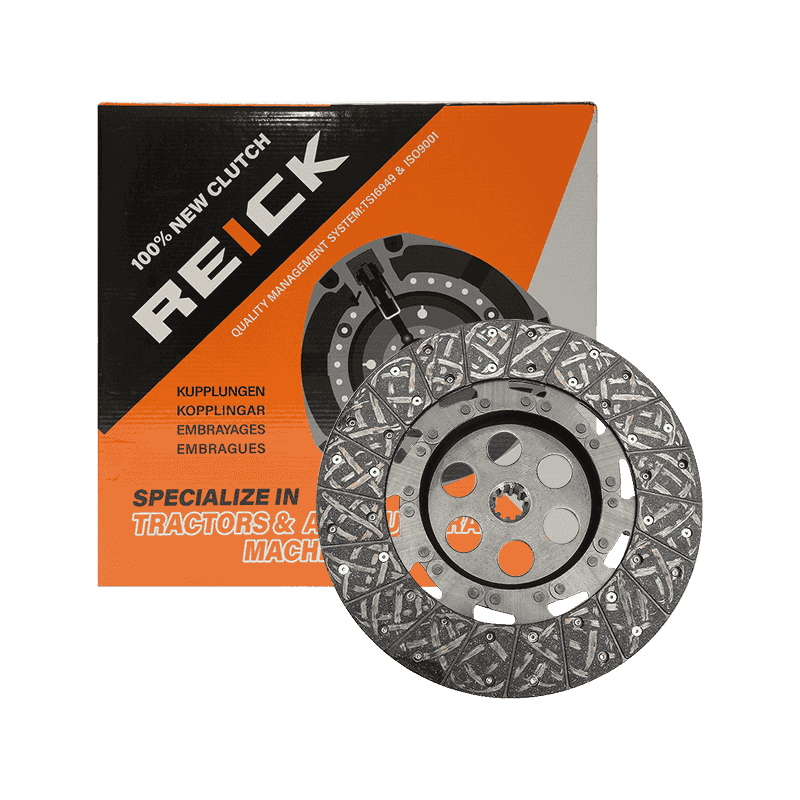
What Is a Tractor Clutch Plate and Why Does It Matter?
A tractor clutch plate is a friction disc that sits between the engine flywheel and the pressure plate, transmitting engine torque to the transmission when engaged and interrupting it when the clutch pedal is depressed. Without a properly functioning clutch plate, a tractor cannot shift gears, engage implements, or perform controlled starts and stops — making it one of the most operationally critical components in any agricultural machine.
Modern tractors — whether compact utility models or high-horsepower row-crop machines — rely on clutch plates engineered to handle extreme loads. A mid-size tractor operating a rotary tiller or a loader generates significant torque spikes, and the clutch plate must absorb and dissipate that energy repeatedly across thousands of operating hours. Clutch plate quality directly determines overall drivetrain reliability and operator productivity.
Key Components and Construction of a Tractor Clutch Plate
Understanding what makes up a clutch plate helps in selecting the right replacement and diagnosing wear issues early.
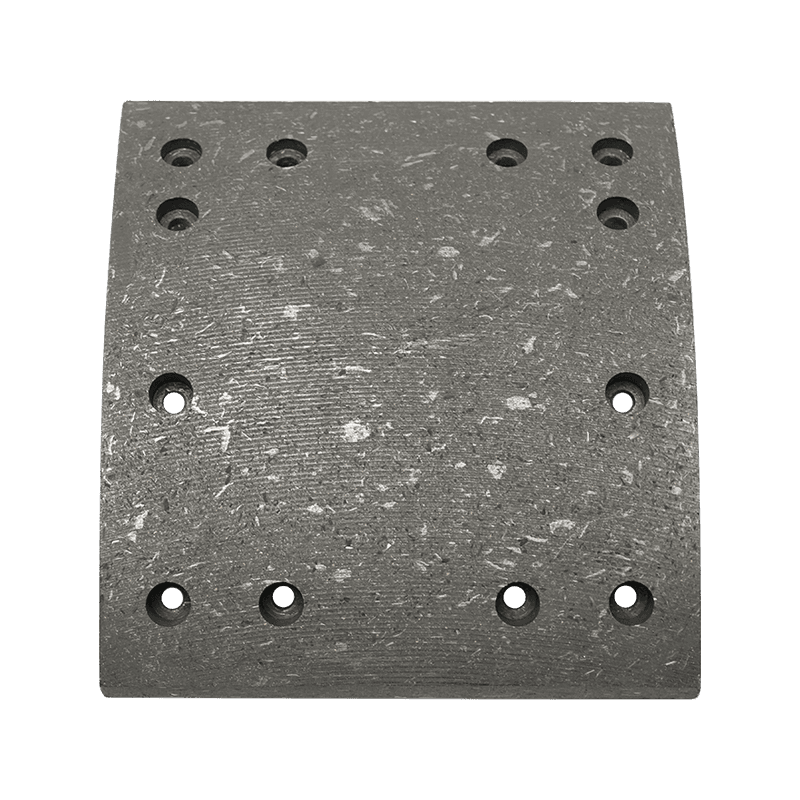
- Friction lining: Typically made from organic compounds, ceramic composites, or sintered metallic materials bonded or riveted to the disc. The lining material determines heat resistance, coefficient of friction, and service life.
- Hub and spline: The central hub slots onto the transmission input shaft via internal splines, transferring rotational force. Spline wear is a common failure mode, especially in tractors used for heavy loader work.
- Torsion springs (damper springs): Coil springs integrated into the hub assembly cushion shock loads and reduce drivetrain vibration, protecting the gearbox from sudden torque surges.
- Waved spring plate: A corrugated steel insert between the two friction linings that provides progressive engagement, preventing jerky starts and reducing lining wear.
The overall disc thickness is typically measured new and compared to the manufacturer's minimum specification to determine whether replacement is needed. Most OEM clutch plates have a new thickness between 8 mm and 11 mm, with a discard limit around 1–1.5 mm below that value.
Common Tractor Clutch Plate Materials Compared
Choosing the correct friction material for an application significantly affects performance, heat management, and replacement intervals.
| Material Type |
Heat Resistance |
Engagement Feel |
Best Application |
| Organic (Non-Asbestos) |
Moderate (up to ~250 °C) |
Smooth, progressive |
General fieldwork, light-to-medium duty |
| Ceramic / Semi-Metallic |
High (up to ~400 °C) |
Firmer, more abrupt |
Heavy tillage, loader work, steep terrain |
| Sintered Metallic |
Very high (500 °C+) |
Aggressive, low slip |
Extreme-duty industrial or forestry tractors |
Comparison of common tractor clutch plate friction materials by performance characteristics
For the majority of farm tractors between 30 hp and 120 hp, organic or ceramic-organic blended linings are the standard choice, offering a balance of smooth engagement and adequate heat management for typical field conditions.
Signs of a Worn or Failing Tractor Clutch Plate
Recognizing early warning signs prevents secondary damage to the flywheel, pressure plate, and gearbox — all of which cost significantly more to repair than a clutch plate alone.
- Slipping under load: Engine RPM rises but ground speed or implement speed does not increase proportionally. This is the classic indicator of a glazed or worn-out friction lining.
- Difficulty shifting gears: If the clutch plate does not fully disengage — often caused by warping or improper pedal adjustment — gear changes become notchy or impossible without grinding.
- Burning smell during operation: Excessive heat from slipping generates a distinctive acrid odor. Persistent slipping can glaze the flywheel surface, requiring resurfacing.
- Shudder on engagement: A chattering or vibrating sensation as the clutch pedal is released typically indicates contamination of the friction lining with oil, or a worn waved spring plate.
- Increased pedal free play over time: As the friction material wears thinner, the release mechanism requires more travel to engage and disengage. Most manufacturers specify a free play of 25–40 mm at the pedal tip; exceeding this range signals lining wear.
How to Extend Tractor Clutch Plate Service Life
Clutch plates on farm tractors can last anywhere from 1,500 to over 5,000 hours depending on operating habits, load conditions, and maintenance practices. The following measures significantly extend service intervals:
- Avoid "riding" the clutch pedal. Resting a foot on the pedal while driving partially disengages the pressure plate, causing continuous slipping and accelerated heat buildup in the friction lining.
- Engage the clutch decisively. Slow, drawn-out clutch releases during heavy pulls generate far more heat than quick, firm engagement. Match engine speed to load before releasing the pedal.
- Check and adjust pedal free play at every service interval. Proper adjustment ensures full disengagement for clean gear changes and full engagement for maximum power transfer.
- Inspect the transmission input shaft oil seal regularly. A leaking seal allows gear oil to contaminate the clutch plate, destroying friction properties rapidly. Oil-soaked linings cannot be cleaned effectively and must be replaced.
- Always replace the full clutch kit. When replacing the clutch plate, fit a new pressure plate and release bearing at the same time. Reusing worn mating components accelerates wear on the new disc and typically leads to a repeat job within a fraction of the original service life.
OEM vs. Aftermarket Tractor Clutch Plates: What to Consider
The aftermarket for tractor clutch plates is extensive, covering virtually every major brand including John Deere, Massey Ferguson, New Holland, Case IH, Kubota, and SAME. When evaluating OEM versus aftermarket options, several factors deserve careful consideration:
- Dimensional accuracy: Spline count, outer diameter, and hub bore must precisely match the original specification. Even minor deviations cause vibration, premature wear, or installation failure.
- Friction material certification: Reputable aftermarket suppliers test their linings to ISO or SAE friction standards. Request material test data when sourcing clutch plates for high-hour commercial operations.
- Spring specification: The torsion and waved spring rates affect shift quality and drivetrain protection. Sub-standard springs fatigue quickly and can result in clutch chatter or gear damage.
- Warranty and traceability: Quality aftermarket clutch plates should come with measurable guarantees and batch traceability, especially important for fleet buyers managing multiple machines.
For most operators, a well-specified aftermarket clutch plate from a reputable manufacturer offers equivalent performance to OEM at a meaningfully lower cost — often 30–50% less for comparable quality — making it the preferred choice for budget-conscious farms and equipment dealers managing tight service margins.
 2026.03.25
 Industry News






 English
 Español
 italiano