2026.03.20
 Industry News
Content
Automobile brakes convert kinetic energy into heat through friction, bringing a moving vehicle to a controlled stop. Every time you press the brake pedal, a hydraulic system amplifies that force and transmits it to the brake components at each wheel — all within milliseconds. The performance, reliability, and longevity of that system depend heavily on the type of braking mechanism used and how well it is maintained.
Modern passenger vehicles almost universally use hydraulic disc brakes at the front and either disc or drum brakes at the rear. High-performance and heavy-duty vehicles increasingly run four-wheel disc setups, while some budget economy cars still pair front discs with rear drums to manage cost without compromising stopping power on the front axle — where 60–70% of braking force is generated during a typical stop.
The distinction between disc and drum brakes goes beyond shape — it affects heat dissipation, wet-weather performance, and maintenance frequency.
| Feature | Disc Brakes | Drum Brakes |
|---|---|---|
| Heat Dissipation | Excellent (open rotor) | Poor (enclosed drum) |
| Wet Performance | Recovers quickly | Prone to fade when wet |
| Self-Energizing Effect | No | Yes (increases braking force) |
| Maintenance Cost | Moderate | Lower (longer pad life) |
| Typical Application | Front / all-wheel performance | Rear / light-duty / parking |
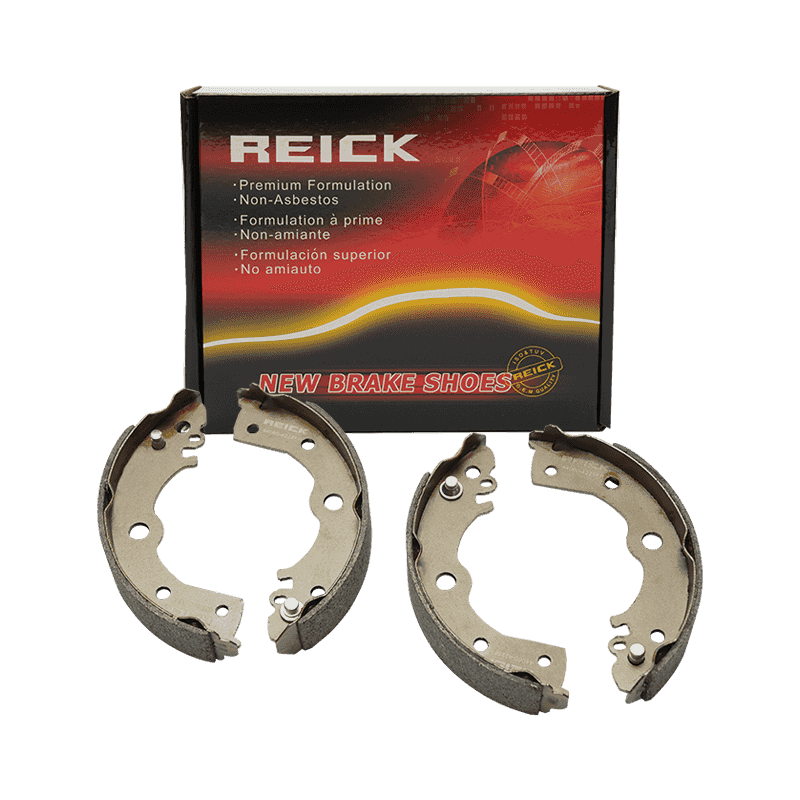
Disc brakes dominate performance applications because their open rotor design allows heat to escape rapidly, preventing the brake fade that becomes dangerous on long descents or repeated hard stops. Drum brakes retain a niche in rear axles and parking brake systems due to their mechanical self-energizing effect — the rotation of the drum actually pulls the shoe into contact, reducing the pedal force needed to hold a stationary vehicle.
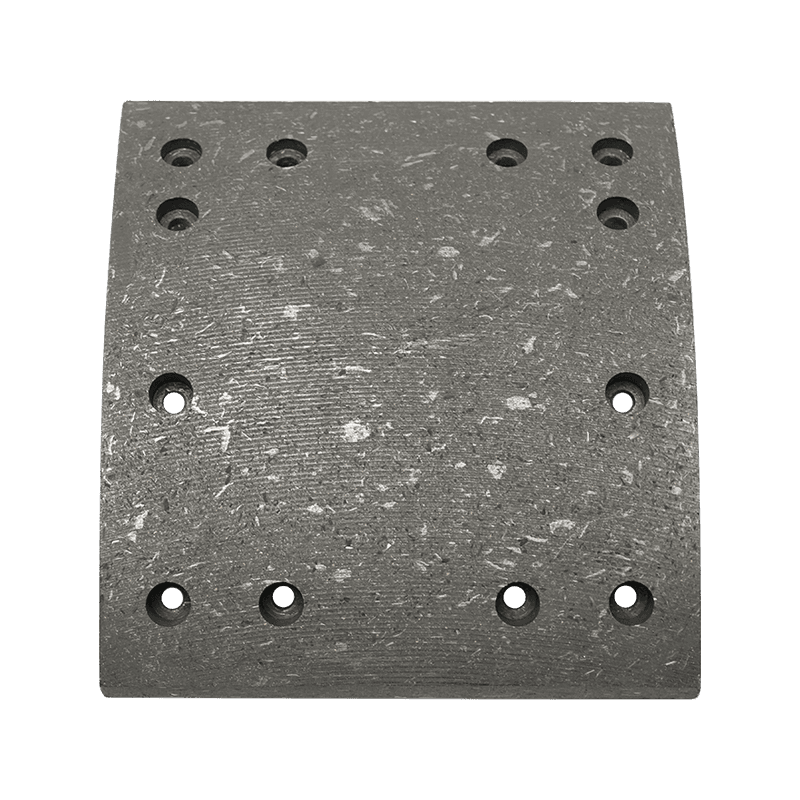
Brake pad composition is arguably the single biggest variable in real-world braking performance. The three dominant categories each make deliberate trade-offs:
For most drivers, semi-metallic or ceramic pads represent the best balance of performance and longevity. Track-day drivers or commercial vehicles operating under heavy load should prioritize semi-metallic or motorsport-grade compound pads designed to withstand sustained high-temperature cycling.
The mechanical brake system does not operate in isolation in any vehicle built after the early 1990s. Three electronic layers fundamentally change how braking force is managed:
Anti-lock Braking System (ABS) uses wheel speed sensors to detect impending lockup and modulates hydraulic pressure up to 15 times per second per wheel. The result is that the driver retains steering control during maximum braking — a capability that doesn't exist with locked wheels. Studies from NHTSA consistently show ABS reduces road fatalities, particularly in wet and low-traction scenarios.
Electronic Brake-force Distribution (EBD) works alongside ABS to dynamically allocate braking force front-to-rear based on vehicle load, deceleration rate, and axle weight distribution. This prevents premature rear-wheel lockup when a vehicle is lightly loaded at the rear, a common cause of oversteer during emergency stops.
Brake Assist (BA/EBA) detects panic-braking inputs — characterized by very rapid pedal application — and automatically applies maximum hydraulic boost, compensating for the common driver tendency to underapply the brakes in emergencies. Research has shown that most drivers in real emergencies apply only 60–70% of available brake force. Brake Assist closes that gap automatically.
Brake wear is predictable but varies significantly by driving style, vehicle weight, and terrain. Using the following thresholds as a maintenance framework prevents both premature replacement and unsafe operation:
A vibrating brake pedal, pulling to one side during braking, or a spongy pedal feel are early warning signs that should be investigated promptly — not deferred to the next scheduled service interval.
Recommended Products


+86-139 6193 3287
+86-515-88410559

+86-515-88580498

reickchina@reickparts.com

B1002 Huabang Dong No.1# South Renmin Road, Tinghu District, Yancheng City, Jiangsu, China
Copyright © 2024 Yancheng Reick Automotive Parts Co., Ltd. All Rights Reserved.
Automotive Brake Manufacturers Automotive Clutch Parts Suppliers



 English
 Español
 italiano