Home / News / Industry News / Understanding Automotive Brakes: Types, Maintenance, and Troubleshooting
 2026.01.16
 Industry News
Content
Automotive brakes are one of the most critical safety systems in any vehicle. They allow drivers to slow down or stop the vehicle safely, preventing accidents and protecting passengers. Understanding how brakes work, the types available, and proper maintenance techniques can significantly enhance vehicle performance and longevity.
There are several types of automotive brakes, each with unique advantages and use cases. Selecting the right brake type depends on the vehicle type, driving conditions, and performance requirements.
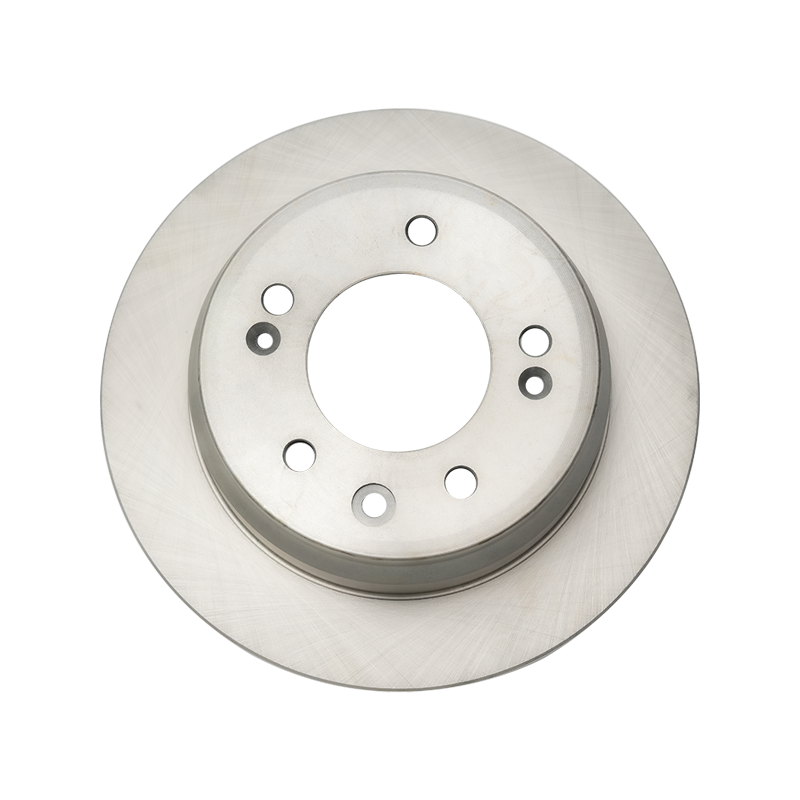
Disc brakes are commonly used in modern vehicles due to their superior stopping power and heat dissipation. They consist of a rotor, caliper, and brake pads. When the brake pedal is pressed, the caliper squeezes the pads against the rotor, generating friction to slow the wheel.
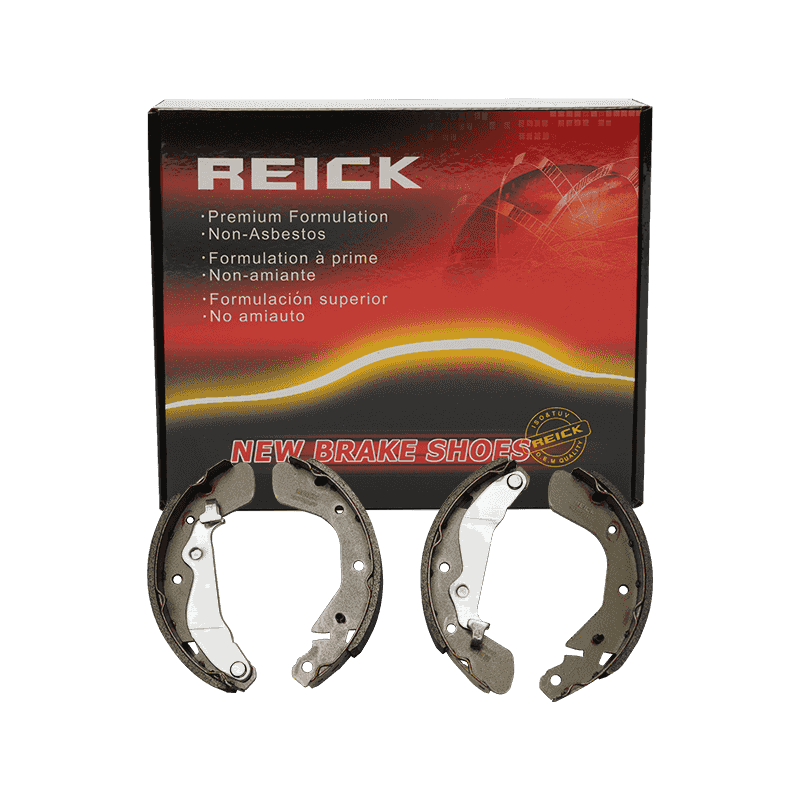
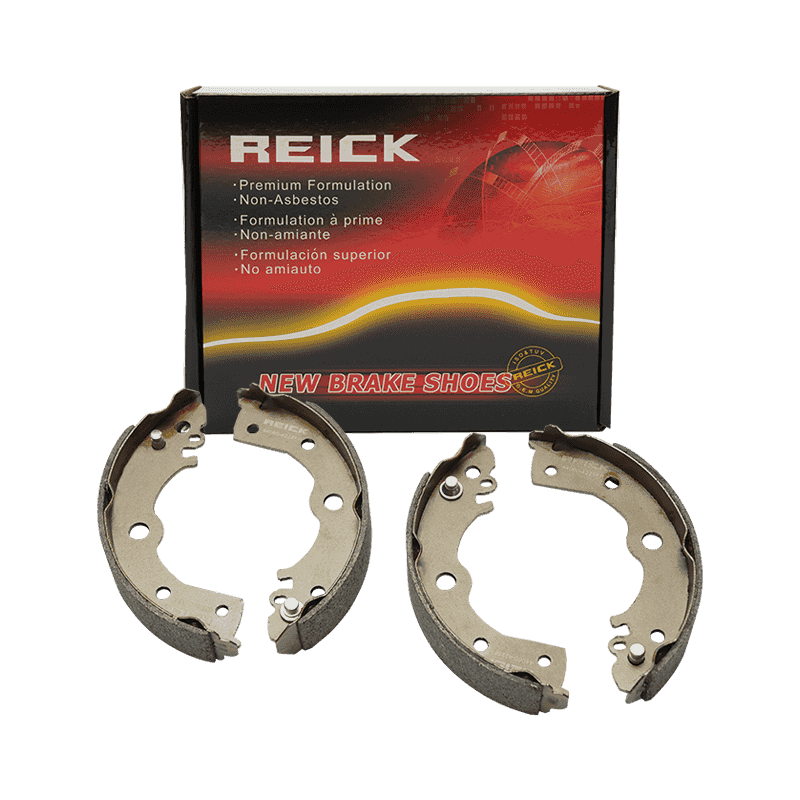
Drum brakes use a drum that rotates with the wheel and brake shoes that press outward to create friction. While less common in new vehicles, drum brakes are still used in rear wheels due to their cost-effectiveness and ability to provide parking brake functionality.
Also known as parking brakes, emergency brakes operate independently of the main hydraulic system. They are usually cable-driven and are designed to hold the vehicle stationary on inclines or during brake system failure.
The brake system is composed of several components that work together to ensure safe and effective stopping power.
Regular maintenance of your automotive brake system ensures safety and reduces repair costs. Neglecting brake care can lead to poor performance or catastrophic failure.
Brake pads should be checked at least every 10,000 miles. Look for thickness below 3 mm, uneven wear, or deep grooves on rotors. Replacing worn pads prevents rotor damage and ensures optimal stopping power.
Brake fluid transfers the force from the pedal to the brakes. Over time, it absorbs moisture, reducing efficiency. Regularly check fluid levels and replace it every 2 years or according to the manufacturer’s schedule.
Brake components, especially calipers and moving parts, should be cleaned and lubricated periodically. Proper lubrication prevents sticking and ensures smooth operation.
Identifying brake issues early can prevent accidents and expensive repairs. Common problems include noise, vibrations, and reduced stopping power.
Squeaks usually indicate worn brake pads or glazed rotors. Grinding sounds suggest that pads are completely worn and metal is contacting the rotor. Immediate replacement is necessary to prevent damage.
Vibration when braking often points to warped rotors or uneven pad wear. Resurfacing or replacing the rotors and pads can resolve this issue and restore smooth braking.
If stopping distances increase, it may indicate low brake fluid, air in the lines, or worn pads. Bleeding the brake lines and replacing pads usually restores full braking capability.
A quick comparison can help vehicle owners decide on the best brake components for their needs.
| Component | Pros | Cons | Recommended Use |
| Disc Brakes | Excellent stopping power, good heat dissipation | Higher cost, more maintenance | Modern passenger cars, high-speed vehicles |
| Drum Brakes | Cost-effective, effective parking brake | Less efficient in heat dissipation, slower response | Rear wheels of older cars, trucks, or budget vehicles |
| Emergency/ Parking Brakes | Independent of hydraulic system, prevents rollaways | Limited stopping power | Parking, emergencies |
Understanding your automotive brake system, maintaining it properly, and identifying common issues can enhance both safety and vehicle longevity. Regular inspections, timely replacement of worn components, and proper maintenance of brake fluid are essential practices for every vehicle owner.
Recommended Products


+86-139 6193 3287
+86-515-88410559

+86-515-88580498

reickchina@reickparts.com

B1002 Huabang Dong No.1# South Renmin Road, Tinghu District, Yancheng City, Jiangsu, China
Copyright © 2024 Yancheng Reick Automotive Parts Co., Ltd. All Rights Reserved.
Automotive Brake Manufacturers Automotive Clutch Parts Suppliers



 English
 Español
 italiano