Home / News / Industry News / Understanding Agricultural Tractor Clutch: Types, Maintenance, and Troubleshooting
 2026.01.09
 Industry News
Content
The clutch is one of the most critical components of an agricultural tractor. It allows the operator to smoothly engage and disengage the engine from the transmission, enabling controlled power delivery to the wheels and implements. Without a properly functioning clutch, tractor performance suffers, and operational efficiency decreases significantly. This article will provide a detailed overview of agricultural tractor clutches, including types, maintenance, and troubleshooting tips for farmers and mechanics.
Tractor clutches are designed to handle high torque and heavy-duty operations. Understanding the different types helps in selecting the right clutch for your agricultural machinery.
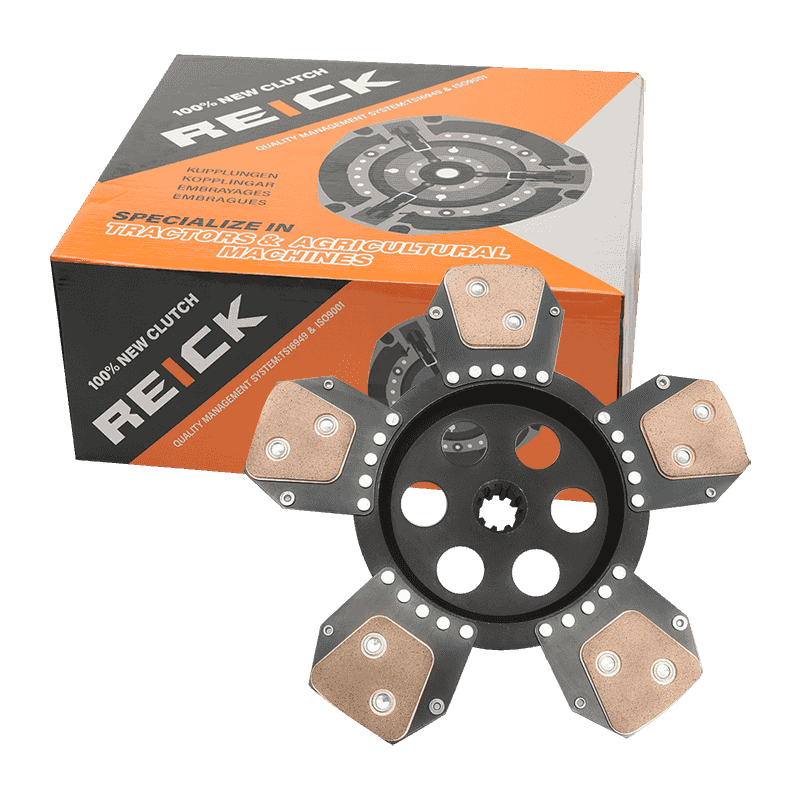
The single-plate clutch is the most commonly used type in tractors. It consists of a single friction plate that engages with the flywheel to transmit power. This clutch type is simple, cost-effective, and suitable for small to medium tractors. However, it can wear faster under heavy loads and requires frequent adjustments.
Multi-plate clutches are often used in high-power tractors. They consist of several friction plates stacked together, providing a larger contact area for torque transmission. This design reduces slippage, handles higher loads, and ensures smoother engagement, making it ideal for plowing, tilling, and other heavy-duty operations.
Hydraulic clutches use hydraulic pressure to engage and disengage the clutch plate. This type reduces pedal effort, provides smoother operation, and minimizes wear. Hydraulic clutches are popular in modern tractors, especially in models that require frequent clutch use during precision tasks like planting or harvesting.
Identifying clutch issues early can prevent expensive repairs and downtime. Operators should watch for the following signs:
Regular maintenance can extend the lifespan of a tractor clutch and ensure optimal performance. Consider these practical tips:
The correct free play ensures the clutch fully engages and disengages. Over-tightening can lead to premature wear, while excessive free play may cause slippage. Check the manufacturer’s specifications and adjust the pedal regularly.
Clutch plates, pressure plates, release bearings, and pilot bearings should be inspected during regular servicing. Replace any components showing signs of wear, cracking, or glazing to maintain smooth operation.
Proper lubrication of the clutch linkage, release arm, and pivot points reduces friction and prevents premature wear. Avoid over-lubrication near the friction surfaces to prevent slippage.
Even with regular maintenance, clutch problems can occur. Understanding how to troubleshoot common issues can save time and money.
Slipping often occurs due to worn friction plates or improper pedal adjustment. To troubleshoot:
If gears grind or cannot engage, the clutch may not be fully disengaging. Steps to troubleshoot include:
Noises or vibrations indicate worn or misaligned clutch components. Troubleshooting involves:
| Clutch Type | Advantages | Disadvantages | Applications |
| Single-Plate | Simple, cost-effective | Wears quickly under heavy load | Small to medium tractors |
| Multi-Plate | Handles high torque, smooth engagement | More complex, higher cost | High-power tractors, heavy-duty tasks |
| Hydraulic | Reduces pedal effort, smooth operation | Requires hydraulic system maintenance | Modern tractors with frequent clutch use |
A well-maintained agricultural tractor clutch ensures smooth operation, reduces downtime, and enhances productivity on the farm. By understanding different clutch types, recognizing early signs of wear, and following proper maintenance routines, farmers and mechanics can extend the lifespan of their tractors and prevent costly repairs. Regular inspection, adjustment, and timely replacement of worn parts are essential practices for any tractor operator seeking reliable and efficient performance.
Recommended Products


+86-139 6193 3287
+86-515-88410559

+86-515-88580498

reickchina@reickparts.com

B1002 Huabang Dong No.1# South Renmin Road, Tinghu District, Yancheng City, Jiangsu, China
Copyright © 2024 Yancheng Reick Automotive Parts Co., Ltd. All Rights Reserved.
Automotive Brake Manufacturers Automotive Clutch Parts Suppliers



 English
 Español
 italiano