Home / News / Industry News / Low Metal Brake Pads: Ultimate Guide for Performance, Longevity, and Safety
 2026.01.04
 Industry News
Content
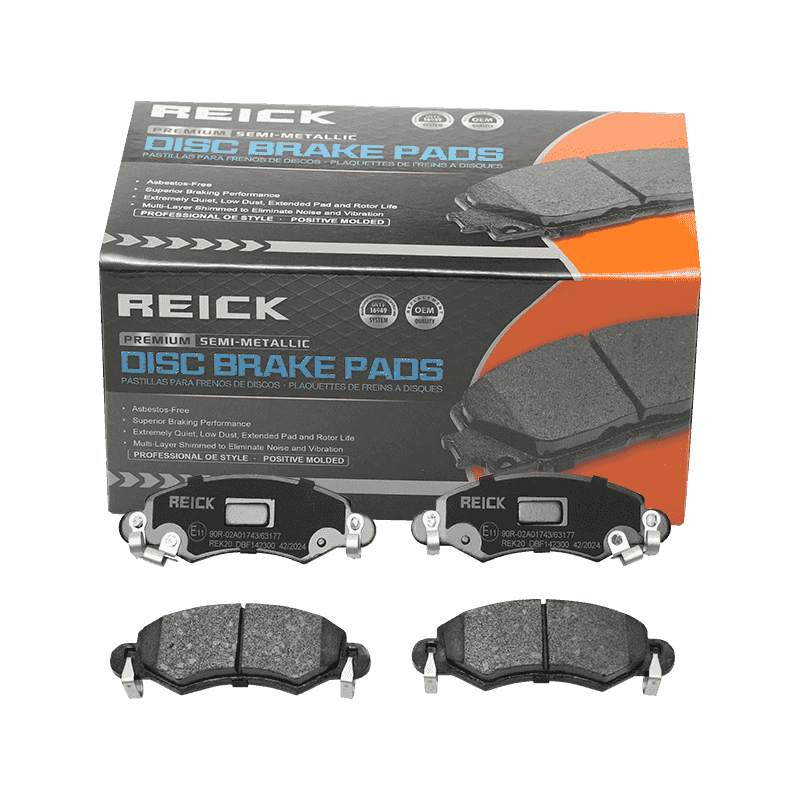
Low metal brake pads, often referred to as semi-metallic pads, are a popular choice among vehicle owners for their balance of performance, durability, and cost. They typically contain 10-30% metal fibers combined with other materials such as resin and friction modifiers. This composition allows for effective heat dissipation, improved stopping power, and reduced brake fade, making them suitable for both everyday driving and light performance applications.
Low metal brake pads offer several practical benefits that make them a reliable option for many drivers:
To make an informed decision, it's essential to understand how low metal brake pads compare to other common types such as ceramic and fully metallic pads.
Ceramic brake pads are quieter, produce less dust, and offer smooth braking performance. However, low metal pads outperform ceramics in terms of stopping power, especially in extreme temperatures or under heavy loads. Low metal pads may generate more noise and brake dust, but they are ideal for drivers who prioritize performance over aesthetics.
Fully metallic pads excel in high-performance or racing applications because of their exceptional heat tolerance and stopping power. However, they are harsher on rotors and produce significant noise. Low metal brake pads offer a compromise by providing decent performance while being gentler on braking components and more suitable for daily driving.
Proper maintenance can extend the life of low metal brake pads and ensure optimal braking performance. Here are actionable tips:
Recognizing worn brake pads early can prevent damage to rotors and ensure safe braking. Watch for these warning signs:
Low metal brake pads perform well in most driving scenarios but have specific characteristics drivers should consider. Their heat resistance makes them suitable for highway driving, hilly terrain, and vehicles carrying moderate loads. However, they are not ideal for extreme track use where fully metallic pads or performance ceramics are preferred. Noise and dust are manageable with regular maintenance and rotor care.
When choosing low metal brake pads, consider the following factors:
| Feature | Low Metal Pads | Ceramic Pads | Fully Metallic Pads |
| Stopping Power | High | Moderate | Very High |
| Noise Level | Moderate | Low | High |
| Brake Dust | Moderate | Low | High |
| Rotor Wear | Moderate | Low | High |
| Cost | Moderate | High | Moderate |
Low metal brake pads provide a well-balanced option for drivers seeking reliable braking performance, durability, and affordability. With proper maintenance and timely replacement, they can serve effectively in daily driving and moderate performance applications. Understanding their characteristics, advantages, and limitations ensures you choose the right pad for your vehicle while maximizing safety and longevity.
Recommended Products


+86-139 6193 3287
+86-515-88410559

+86-515-88580498

reickchina@reickparts.com

B1002 Huabang Dong No.1# South Renmin Road, Tinghu District, Yancheng City, Jiangsu, China
Copyright © 2024 Yancheng Reick Automotive Parts Co., Ltd. All Rights Reserved.
Automotive Brake Manufacturers Automotive Clutch Parts Suppliers



 English
 Español
 italiano