Home / News / Industry News / Understanding Asbestos-Free Brake Linings: Safe Alternatives for Modern Vehicles
 2025.12.24
 Industry News
Content
Asbestos was once a common material in brake linings due to its heat resistance and durability. However, its proven health hazards, including lung disease and cancer, have led to a shift towards asbestos-free alternatives. Modern vehicles increasingly rely on safer materials that maintain braking performance without exposing drivers and mechanics to dangerous fibers.
Asbestos-free brake linings use a variety of materials engineered to provide similar or better friction and longevity. Each material has unique characteristics suited for specific vehicle types and driving conditions.
Organic brake linings are composed of natural fibers, resin, and fillers. They are softer, quieter, and produce less dust. While they may wear faster than other types, they are highly suitable for passenger vehicles and city driving.
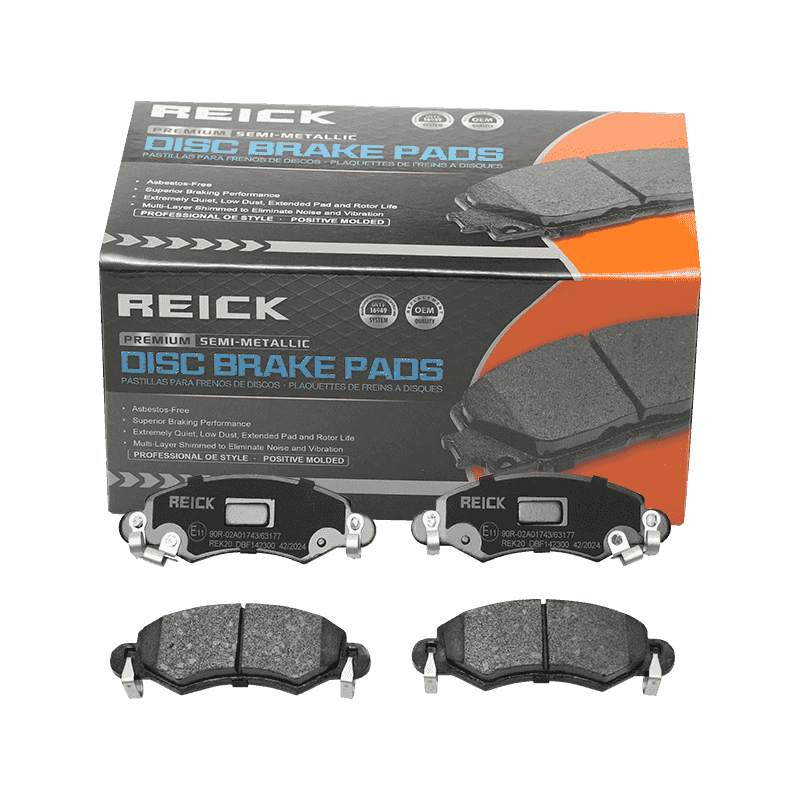
Semi-metallic brake linings combine metal fibers with organic compounds. They offer excellent heat dissipation and durability, making them ideal for heavy vehicles and performance cars. These linings tend to be noisier but provide reliable stopping power under demanding conditions.
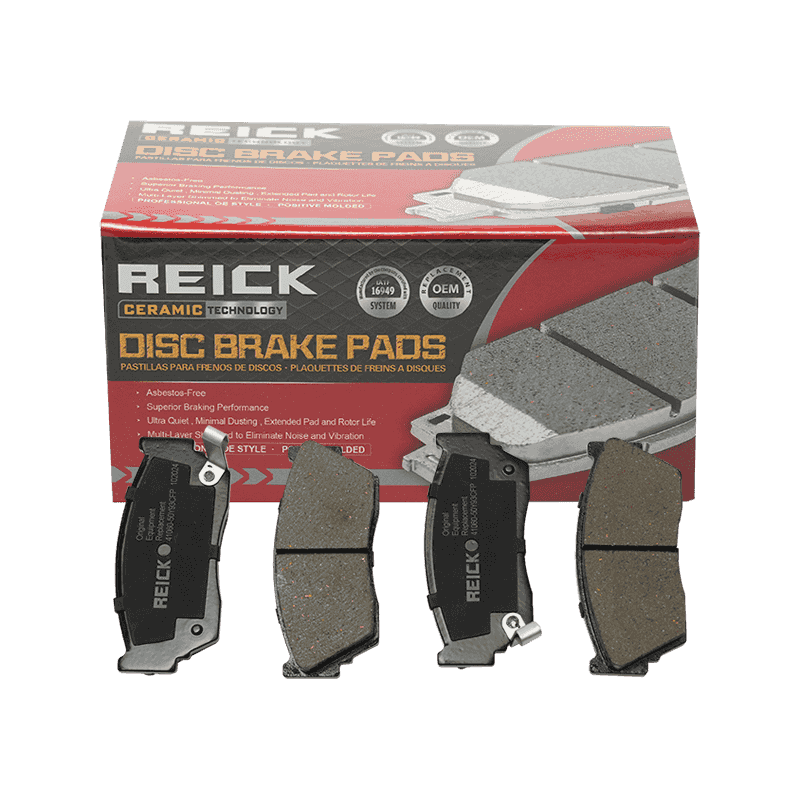
Ceramic brake linings are made from ceramic fibers, bonding agents, and small amounts of metal. They generate minimal dust, operate quietly, and maintain consistent braking performance over a wide temperature range. They are particularly popular in luxury and high-performance vehicles.
Selecting the right asbestos-free brake lining depends on the desired balance of performance, longevity, and maintenance. The table below summarizes the key differences.
| Material | Noise Level | Durability | Dust Production | Best Use |
| Organic | Low | Moderate | Low | City cars, daily driving |
| Semi-Metallic | Moderate-High | High | Moderate | Performance vehicles, trucks |
| Ceramic | Low | High | Very Low | Luxury and high-performance cars |
Proper installation and regular maintenance are essential for ensuring optimal performance and safety of asbestos-free brake linings. Follow these practical guidelines:
Switching to asbestos-free brake linings significantly reduces the risk of inhaling harmful fibers, benefiting both mechanics and drivers. Additionally, these materials contribute less harmful dust to the environment, reducing pollution from brake wear.
Many people worry that asbestos-free linings cannot match the performance of traditional asbestos products. In reality, modern materials often provide superior heat resistance, reduced noise, and longer lifespan in typical driving conditions. Understanding the specific material properties helps users select the best option for their vehicle.
Asbestos-free brake linings are a practical, safe, and environmentally friendly solution for modern vehicles. By understanding the material options, performance characteristics, and maintenance requirements, drivers can make informed choices that ensure safety, reliability, and longevity. Transitioning away from asbestos not only protects health but also aligns with modern environmental and automotive standards.
Recommended Products


+86-139 6193 3287
+86-515-88410559

+86-515-88580498

reickchina@reickparts.com

B1002 Huabang Dong No.1# South Renmin Road, Tinghu District, Yancheng City, Jiangsu, China
Copyright © 2024 Yancheng Reick Automotive Parts Co., Ltd. All Rights Reserved.
Automotive Brake Manufacturers Automotive Clutch Parts Suppliers



 English
 Español
 italiano