Home / News / Industry News / Understanding Brake Boosters: Function, Maintenance, and Troubleshooting
 2025.12.19
 Industry News
Content
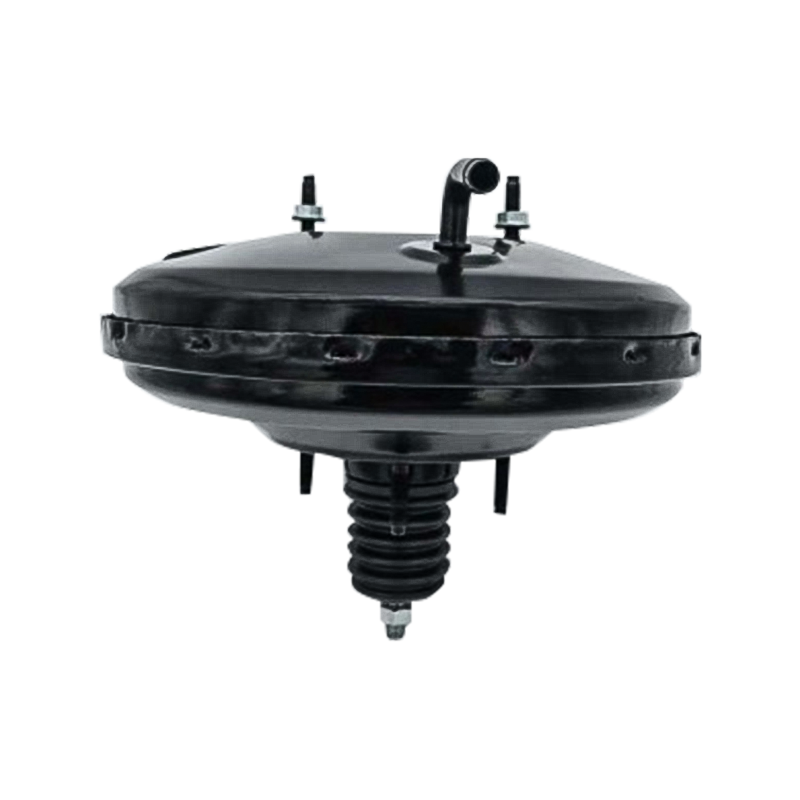
A brake booster is a critical component in modern vehicles designed to reduce the physical effort required to apply the brakes. It amplifies the force exerted on the brake pedal by the driver, allowing for smoother and more responsive braking. Most brake boosters use vacuum assistance from the engine to increase braking efficiency, though some modern vehicles use hydraulic or electric boosters. Understanding how a brake booster functions is essential for proper maintenance and troubleshooting.
The brake booster sits between the brake pedal and the master cylinder. When the driver presses the brake pedal, the booster uses vacuum pressure to multiply the input force. This means less physical effort is needed to slow or stop the vehicle. Key components inside a typical vacuum brake booster include a diaphragm, a vacuum chamber, and a control valve.
In most cars, the engine vacuum creates a low-pressure area on one side of the diaphragm, while atmospheric pressure acts on the other. When the brake pedal is pressed, the control valve opens, allowing atmospheric pressure to push the diaphragm. This amplifies the force transmitted to the master cylinder, ensuring effective braking with minimal pedal effort.
Brake boosters are generally reliable, but certain issues can reduce braking performance. Being aware of common problems helps prevent unsafe conditions on the road. Key problems include:
Proper diagnosis ensures timely repairs and maintains vehicle safety. Several tests can help determine if a brake booster is functioning correctly.
Check for vacuum leaks by listening for hissing sounds near the booster while pressing the brake pedal. A vacuum gauge can measure engine vacuum pressure, ensuring the booster receives sufficient vacuum for proper operation.
With the engine off, pump the brake pedal several times to remove residual vacuum. Press and hold the pedal, then start the engine. The pedal should move downward slightly as vacuum builds. If it doesn’t, the booster may be defective.
Regular maintenance prolongs the life of the brake booster and ensures consistent braking performance. Follow these practical guidelines:
While vacuum boosters are common, some vehicles, especially those with diesel engines or electric powertrains, use hydraulic or electric boosters. Understanding the differences helps in troubleshooting and replacement decisions.
| Feature | Vacuum Booster | Hydraulic/Electric Booster |
| Source of Assistance | Engine vacuum | Hydraulic pressure or electric pump |
| Typical Use | Gasoline engines | Diesel engines, hybrids, EVs |
| Pedal Effort | Low | Low, consistent under varying engine conditions |
| Maintenance | Check vacuum hoses and diaphragm | Monitor hydraulic lines or electrical system |
After replacing a brake booster, it’s crucial to ensure the entire braking system is functioning correctly. Bleed the brake system to remove trapped air, inspect pedal travel, and check for leaks. A test drive in a controlled environment is recommended to verify smooth braking response before returning to normal traffic conditions.
Recommended Products


+86-139 6193 3287
+86-515-88410559

+86-515-88580498

reickchina@reickparts.com

B1002 Huabang Dong No.1# South Renmin Road, Tinghu District, Yancheng City, Jiangsu, China
Copyright © 2024 Yancheng Reick Automotive Parts Co., Ltd. All Rights Reserved.
Automotive Brake Manufacturers Automotive Clutch Parts Suppliers



 English
 Español
 italiano