2026.07.17
 Industry News
Content
Every time you press the brake pedal, a cloud of invisible dust settles on your wheels. If some cars seem to wear perpetually clean rims while others gather a gray film in days, the brake pad material is often the difference. Ceramic brake pads were developed to solve exactly that annoyance — and several others — without sacrificing everyday stopping confidence.
These pads use a dense compound of ceramic fibers, non-ferrous filler materials, and bonding agents. Unlike older copper-heavy formulations, modern ceramic pads rely on advanced ceramics and aramid fibers to manage heat and friction. Originally engineered for high-temperature stability in sports cars, the technology has migrated to everyday vehicles because it delivers consistent pedal feel, low wear, and — most noticeably — far less visible brake dust.
A quick side-by-side look reveals why ceramic pads have become the default choice for many automakers and replacement buyers. The table below contrasts the primary friction families based on noise, dust, rotor wear, and performance behavior.
| Material | Noise Level | Dust Output | Cold Bite | Hot Fade Resistance | Rotor Wear | Typical Lifespan |
|---|---|---|---|---|---|---|
| Ceramic | Very low | Low, light-colored | Good | Consistent | Low | Long |
| Semi-Metallic | Moderate to high | High, dark | Excellent | Excellent | High | Moderate |
| Low-Metallic | Moderate | Moderate | Good | Good | Moderate | Moderate |
| Organic (NAO) | Low | Moderate | Moderate | Fades early | Low | Short |
Semi-metallic pads still dominate heavy-duty and performance applications where sheer friction ranks above refinement. Ceramic sits at the opposite end of the spectrum, prioritizing quiet operation and cleanliness while still meeting — and often exceeding — OE stopping standards for passenger cars and light trucks.
If you switch from a standard semi-metallic or low-metallic pad to a quality ceramic formulation, the changes are immediate. The most obvious is dust reduction. Ceramic pads can cut visible wheel dust by as much as 90% compared to semi-metallic formulas, and what little dust they do produce is fine and light in color, blending in with road grime instead of staining rims black.
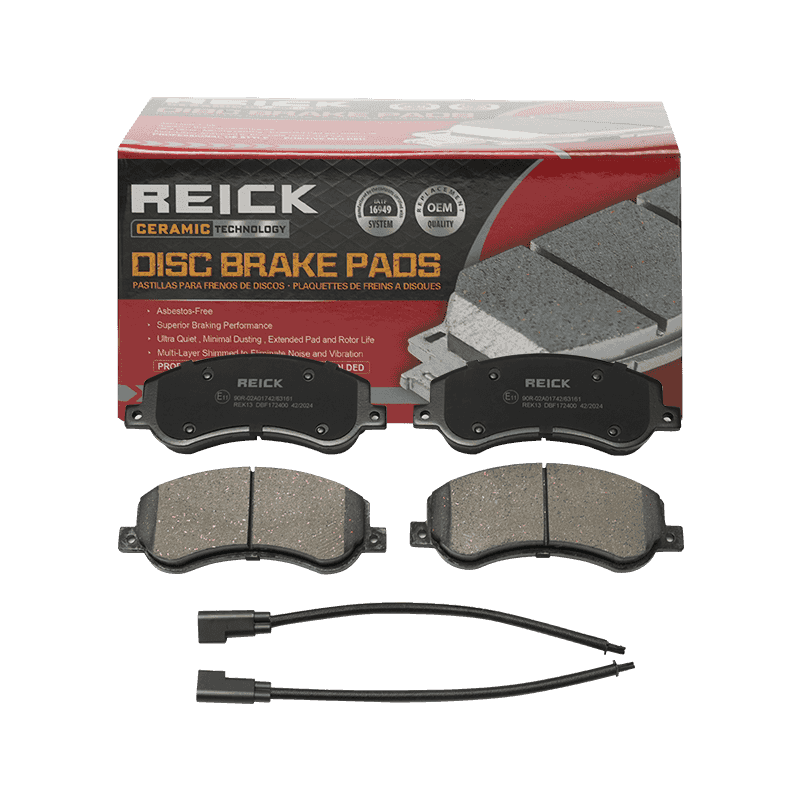
Noise drops dramatically. The material’s damping properties suppress the high-frequency vibrations that cause squeal, a trait that luxury brands have relied on for years. You also get smoother engagement — there is less of the initial grabbiness that makes low-speed stops feel jerky. Over time, the gentler friction film means rotors stay flatter and last longer. For a practical example of these traits in a widely fitted shape, take a look at our GDB1724 ceramic pads, which deliver exactly this blend of low noise and clean wheels on popular multi-purpose vans and SUVs.
Daily commuting, stop-and-go city traffic, and highway cruising are ceramic territory. The pads generate enough immediate friction for safe panic stops yet resist fade during repeated moderate braking. Electric and hybrid vehicles especially benefit, because regenerative braking reduces the pad’s workload and a dusty, noisy alternative undermines the quiet cabin experience.
There are limits. Constant aggressive towing or descending mountain grades with a fully loaded truck will push ceramic pads past their thermal sweet spot faster than a premium semi-metallic set. Track days are a clear mismatch — the heat capacity of metallic formulations remains unbeatable for lap-after-lap abuse. That said, for the 95% of drivers who never see a racetrack and simply want predictable stops without a dirty wheel routine, ceramic is the pragmatic upgrade.
Installation is straightforward for any competent DIYer or shop, but the bedding procedure is non-negotiable. Ceramic pads rely on transferring a thin layer of friction material to the rotor face. Skip the bed-in, and you risk uneven deposits, judder, and reduced initial bite. A typical process involves a series of moderate stops from 35–40 mph with cooling intervals, never coming to a complete standstill during the bed-in cycle.
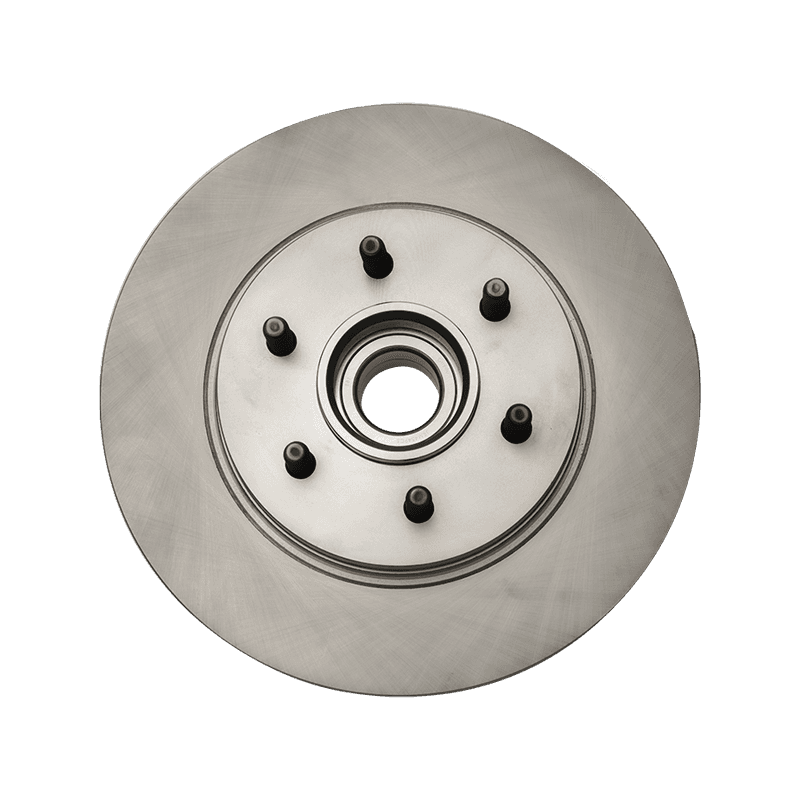
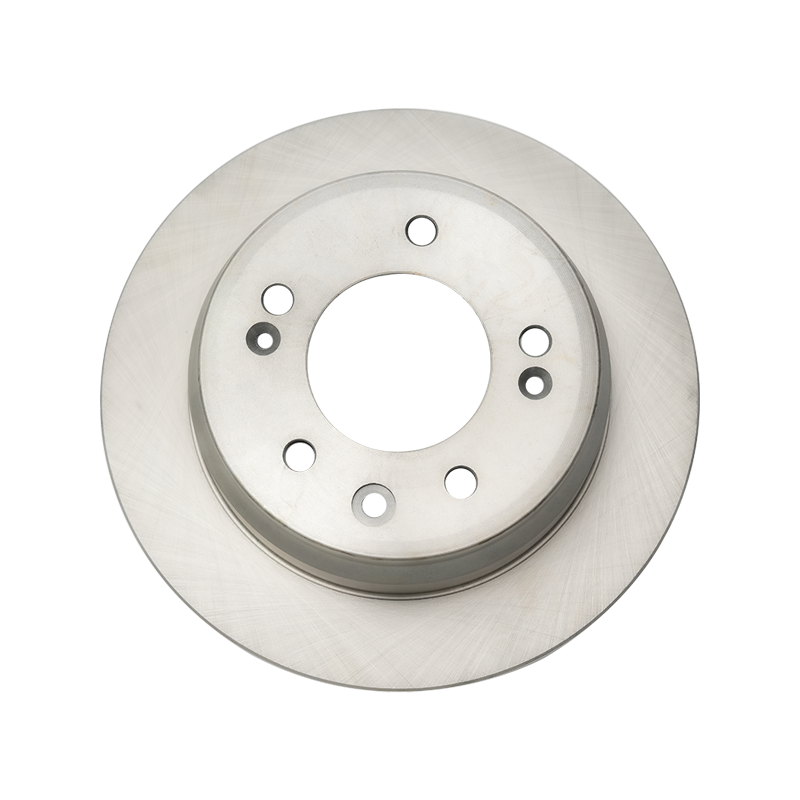
Rotor condition matters equally. Pairing ceramic pads with a worn or grooved rotor defeats the low-wear advantage. A fresh, true rotor surface makes all the difference, and products like the 54107 brake disc are designed to provide the flat, stable foundation that ceramic compounds need for a full service life. After installation, periodic visual checks of pad thickness and rotor scoring are all the routine maintenance required. A properly bedded ceramic pad set often surpasses 70,000 miles under normal driving conditions, outlasting organic pads two to one.
Ceramic brake pads earn their reputation through daily, tangible benefits — quiet mornings, cleaner wheels, and extended rotor life. They aren’t the hardest-biting option on the market, but they are the most livable one for modern cars that rarely see extreme duty. Matching the pad to your actual driving profile, rather than chasing ultimate friction numbers, leads to a more satisfying ownership experience.
When you evaluate replacement options, pay attention to the compound certification and vehicle-specific fitment rather than marketing catchphrases. A well-engineered ceramic pad, installed correctly on a healthy brake system, will quietly do its job for years — exactly what most drivers really need.
Recommended Products


+86-139 6193 3287
+86-515-88410559

+86-515-88580498

reickchina@reickparts.com

B1002 Huabang Dong No.1# South Renmin Road, Tinghu District, Yancheng City, Jiangsu, China
Copyright © 2024 Yancheng Reick Automotive Parts Co., Ltd. All Rights Reserved.
Automotive Brake Manufacturers Automotive Clutch Parts Suppliers



 English
 Español
 italiano