2026.07.24
 Industry News
Content
A late‑model sedan pulling away from a stoplight suddenly revs to 4,000 rpm without gaining speed — the classic sign of a clutch that’s no longer biting. When that happens, replacing individual parts is often false economy. A complete passenger cars clutch kit is the repair that restores predictable engagement, consistent pedal feel, and full transmission life.
A clutch kit bundles three wear‑matched components that work as a unit: the clutch disc (the friction‑lined plate that engages the flywheel), the clutch cover (pressure plate assembly that clamps the disc), and the release bearing (throw‑out bearing that disengages the clamp when you press the pedal). In many front‑wheel‑drive applications the kit also includes a pilot bearing or alignment tool.
Installing a full kit matters because uneven wear between a fresh disc and a fatigued pressure plate creates hot spots and shudder within a few thousand miles. Matching components ensure consistent clamp load and eliminate the labor cost of a second tear‑down. For a closer look at how each element cooperates, read our breakdown of how a clutch disc and cover work together.
Clutch wear is progressive, but a few unmistakable symptoms signal when the kit has reached the end of its service window. Recognizing them early prevents flywheel damage and keeps the car safe.
Ignore these and you may soon face flywheel scoring, which adds hundreds of dollars to the job. If two or more symptoms appear together, budget for a full kit immediately.
The friction material on the disc determines how the clutch grips, lasts, and behaves in traffic. Matching the material to your driving pattern avoids pedal heaviness on a commuter car — or burned‑out linings on a modified build.
| Material | Engagement Feel | Heat Tolerance | Best For |
|---|---|---|---|
| Organic | Smooth, progressive | Moderate | Daily commuting, light loads |
| Kevlar | Slightly firmer, wide friction window | High | Light towing, spirited driving |
| Ceramic | Aggressive, on‑off uptake | Very high | Track use, high torque applications |
For most passenger vehicles an organic kit delivers the quiet, forgiving engagement that daily drivers need. Move up to Kevlar or ceramic only when the vehicle regularly sees loads or heat that exceed stock limits. For a deeper look, see our comparison on the difference between a standard and heavy‑duty clutch.
A clutch kit for a 2007 Mazda 6, for example, changes between the 2.3‑liter and 3.0‑liter engines because the flywheel bolt pattern, spline count, and pressure plate step height differ. Always match to the specific engine code and transmission tag, not just the model year. A quick visual check of the old disc’s spline hub and the pressure plate dowel locations before ordering prevents a mis‑boxed return.
Factory‑fit clutch kits are engineered to replicate OE stack height and clamp load. For instance, our 826213 Clutch Kit for Citroen C3 and Peugeot 307 and 826634 Clutch Kit for Fiat Scudo and Peugeot 308 demonstrate precise OE‑matching with the correct disc diameter and pressure plate release travel. Ready to explore options? Browse our passenger car clutch collection.
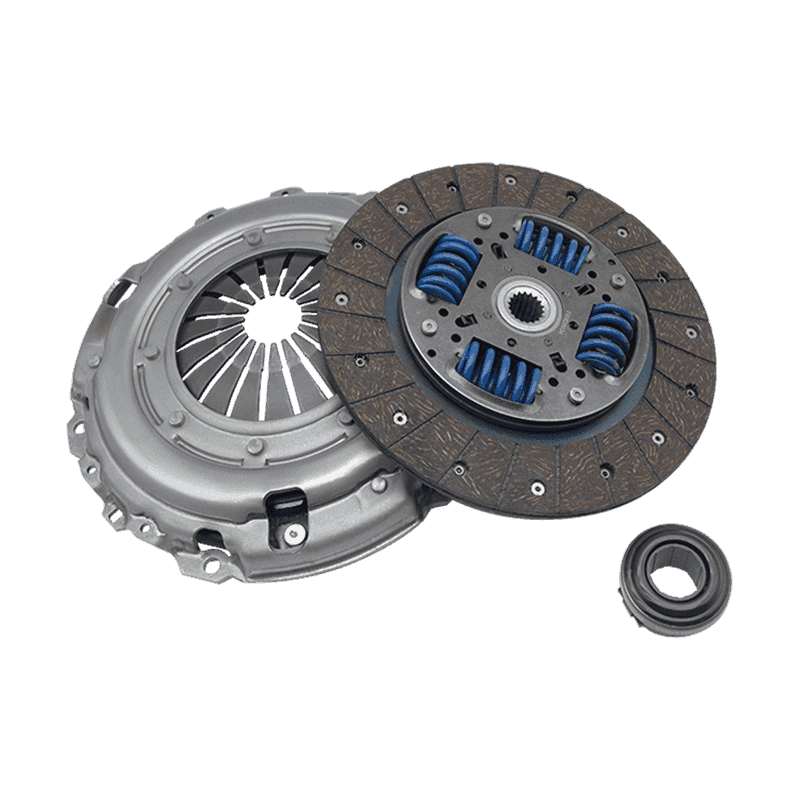 826634 Clutch kit for Citroen Berlingo, Fiat SCUDO and Peugeot 308 ManufacturersReick are China Manufacturers and Company of 826634 Clutch kit for Citroen Berlingo, Fiat SCUDO and Peugeot 308, Custom 826634 Clutch kit...View Product →
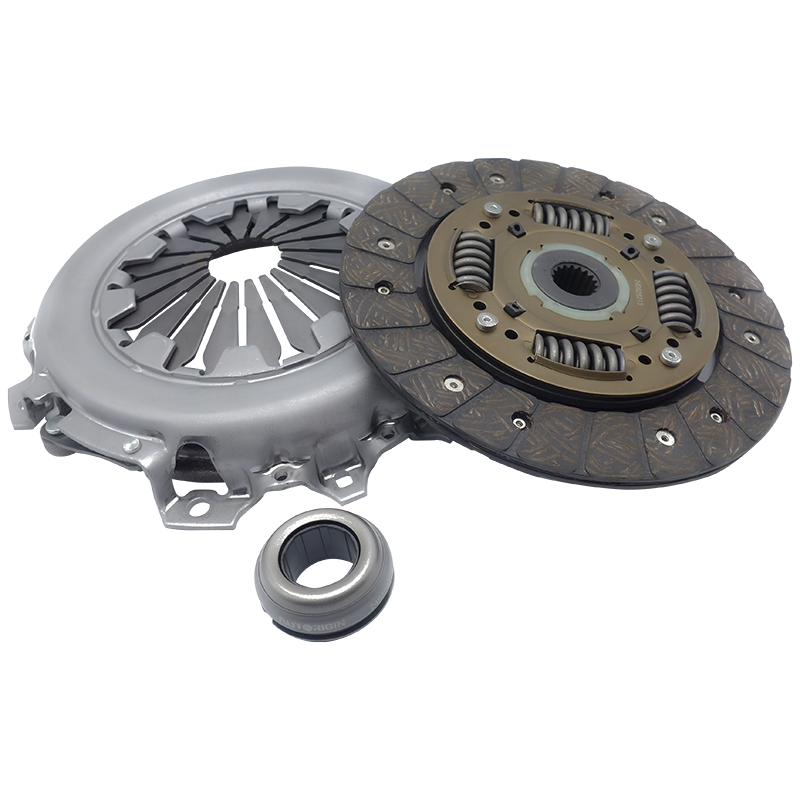 826213 Clutch kit for Citroen c3, Fiat QUBO and Peugeot 307 Manufacturers - YancReick are China Manufacturers and Company of 826213 Clutch kit for Citroen c3, Fiat QUBO and Peugeot 307, Custom 826213 Clutch kit for Ci...View Product →
While a transmission removal is not a beginner task, understanding the sequence helps you evaluate a shop quote or plan a DIY weekend with an experienced helper. The workflow typically follows these steps:
A complete passenger cars clutch kit takes the guesswork out of engagement geometry. Choosing the right kit upfront keeps your driveline reliable, your pedal effort low, and your calendar free of repeat repairs.
Recommended Products


+86-139 6193 3287
+86-515-88410559

+86-515-88580498

reickchina@reickparts.com

B1002 Huabang Dong No.1# South Renmin Road, Tinghu District, Yancheng City, Jiangsu, China
Copyright © 2024 Yancheng Reick Automotive Parts Co., Ltd. All Rights Reserved.
Automotive Brake Manufacturers Automotive Clutch Parts Suppliers



 English
 Español
 italiano