Home / News / Industry News / Do You Need to Bleed Brakes When Changing Pads? Straight Answers for Shops
 2026.10.15
 Industry News
Content
A pad-only brake job opens the caliper bracket bolts and the pad clips. It never opens the brake lines. That is the entire reason a technician can install new pads, pump the pedal twice, and hand the car back without a single drop of fluid leaving the system.
The question of whether you need to bleed brakes when changing pads usually comes from blending two separate services into one phrase. A brake job can mean friction work at the wheel, hydraulic work inside the lines, or both on the same invoice.
You do not need to bleed the brakes when you are only replacing pads. Bleeding is required when air enters the hydraulic circuit, when a hydraulic component is replaced, when fluid service is overdue, or when pedal feel points to a hydraulic fault.
Brake pads sit on the friction side of the system; bleeding belongs to the hydraulic side. Nothing connects the two during a normal pad change.
When a pad wears from roughly 12 mm down to 3 mm, the caliper piston creeps out of its bore to follow the thinner friction material. The fluid volume behind that piston stays sealed, because the piston seal is designed to slide along the bore wall without releasing fluid. Wear changes the piston position, not the circuit contents.
The one moment a pad job touches fluid is retraction. New pads are thicker, so the piston has to travel back into the bore, and the fluid it displaces returns to the reservoir. That is a level change on the dipstick, not an air problem in the lines.
Brake bleeding is the process of purging air and moisture from a sealed hydraulic circuit by forcing fresh fluid from the master cylinder, through the lines, and out of each bleeder screw.
Bleeding stops being optional the moment the sealed circuit is broken or a hydraulic symptom appears.
Compressing the caliper piston is the only step in a pad change that moves fluid, and it is the step where shortcuts create comeback repairs.
Pushing a piston back sends used fluid upstream toward the ABS unit and the master cylinder, along with debris and heat-aged fluid sitting in the caliper bore. On older cars this is harmless. On vehicles with anti-lock units and small reservoir volumes it can overflow the reservoir or push contaminated fluid into valves that were never designed to see it.
Clean routine: cap open, siphon 10 to 20 mL of fluid if the level sits at the MAX line, crack the bleeder screw half a turn so displaced fluid leaves through the nipple instead of travelling upstream, then top up with fresh fluid before the road test.
If no bleeder screw was opened and the reservoir never dropped, no bleeding is required after this procedure.
A 30 second pedal check separates friction complaints from hydraulic ones, and it belongs before the wheels come off.
| Pedal behaviour | Most likely cause | Bleed required |
| Firm pedal, same height every press | Sealed circuit working normally | No |
| Long first press, firmer second press | Air in the lines or pad knock-back | Yes, after pads are seated |
| Pedal sinks slowly while held down | Internal leak in the master cylinder | Yes, with component replacement |
| Spongy on every press | Air or moisture in the fluid | Yes |
| Firm pedal, vehicle pulls to one side | Sticky caliper or uneven friction | No, repair the caliper side |
Most pad services turn into hydraulic work because the friction side was mismatched, not because the fluid was neglected.
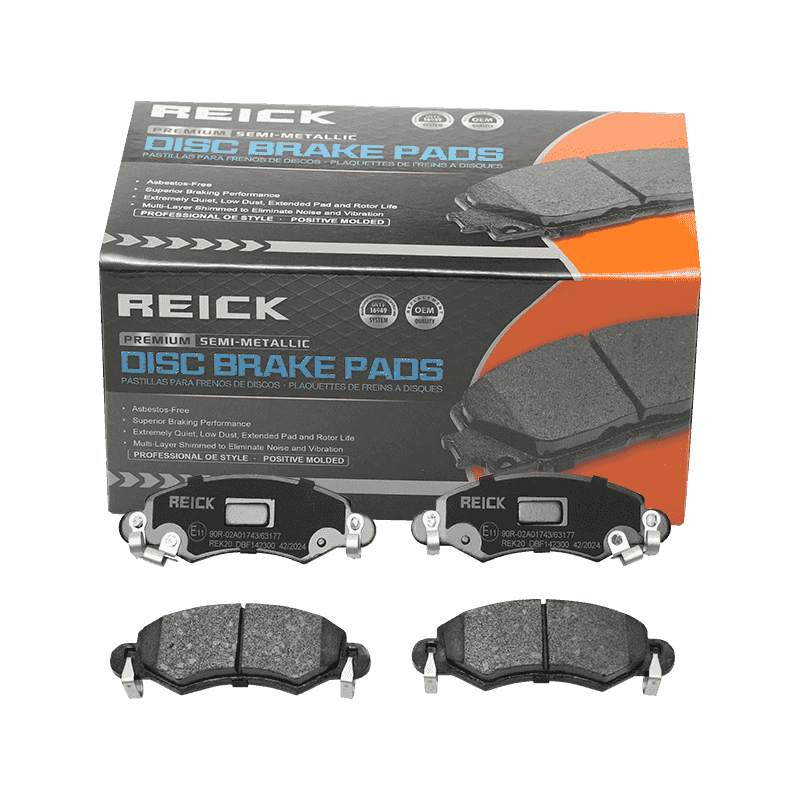
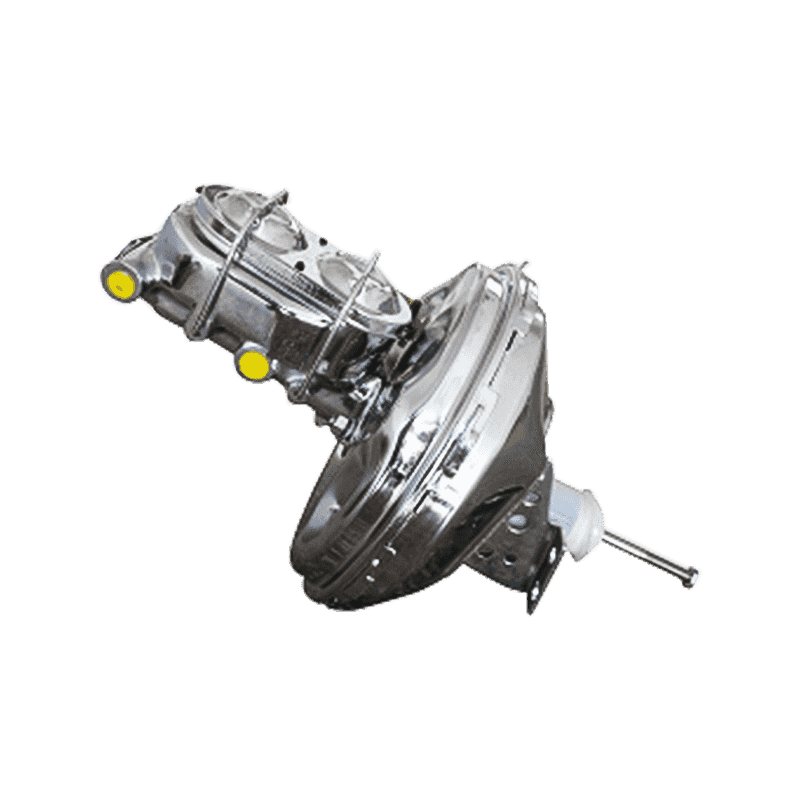
Material selection changes noise, dust and heat behaviour without touching a single brake line. Ceramic compounds run quiet and clean for daily driving, low metal pads balance cold bite against moderate dust, and semimetallic pads hold their friction level better under repeated hard stops or heavier loads. REICK manufactures all three families alongside brake shoes, linings, discs and boosters, produced under ISO/TS16949 and ECE R90 processes, which is useful context in a background worth checking when a distributor qualifies a supplier for a mixed vehicle catalogue.
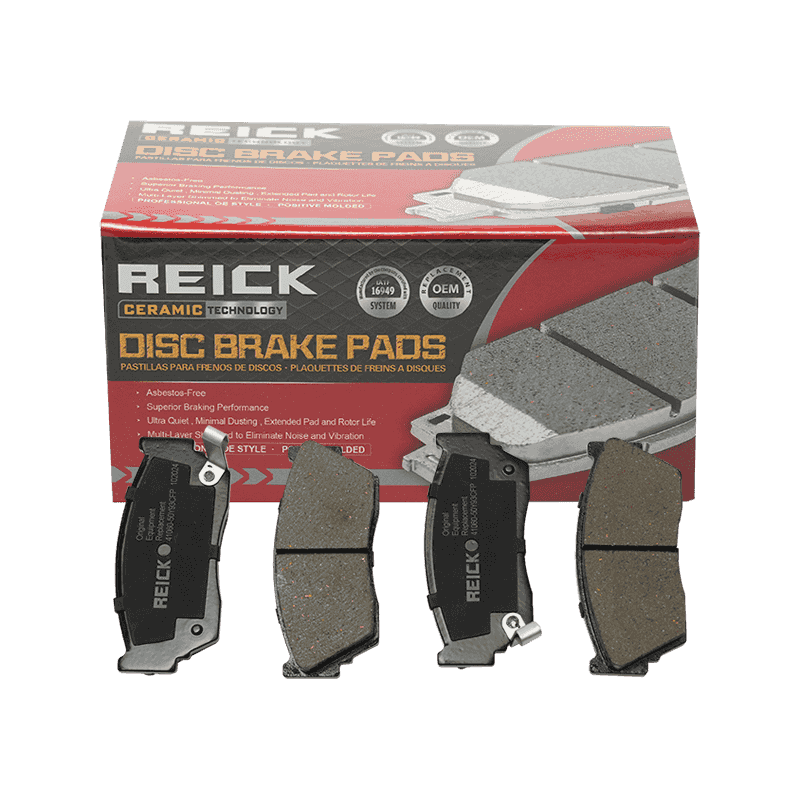 REICK Ceramic Brake Pads for Quiet, Clean BrakingCategory listing ceramic pads made with mineral, aramid and ceramic fibers, suited to mid-range and high-end models; includes Mazda, Nissan and Subaru front pad examples.View Product →
 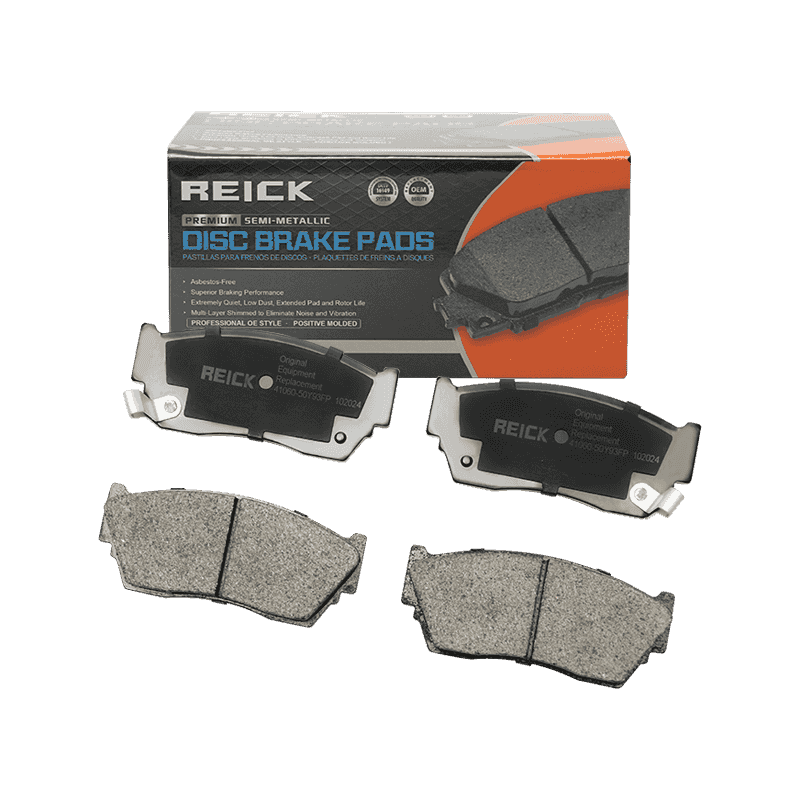 REICK Semi-Metallic Brake Pads for Heavy-Load DrivingCategory listing semi-metallic pads made with iron, copper and steel, suitable for heavy-load, high-mountain and high-speed conditions, with Dongfeng and Nissan fitments.View Product →
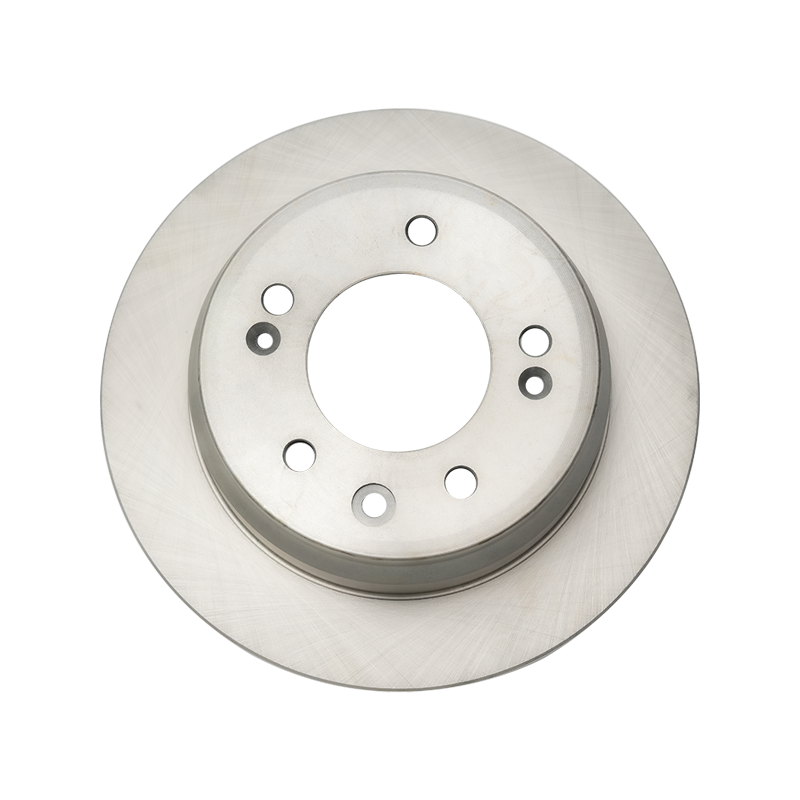
Pads and rotors are often replaced together, and a rotor swap is still friction-side work with no bleeding attached.
Three numbers settle the rotor question. Minimum thickness is stamped on the rotor hat, and many passenger cars run from around 22 mm new down to a 20 mm limit. Lateral runout above roughly 0.05 mm shows up as a pulsation through the pedal, which is often mistaken for air in the system. Deep scoring or a pronounced outer lip is the third trigger. When any of the three is out of range, the rotor is replaced rather than resurfaced, and the hydraulic circuit still stays closed.
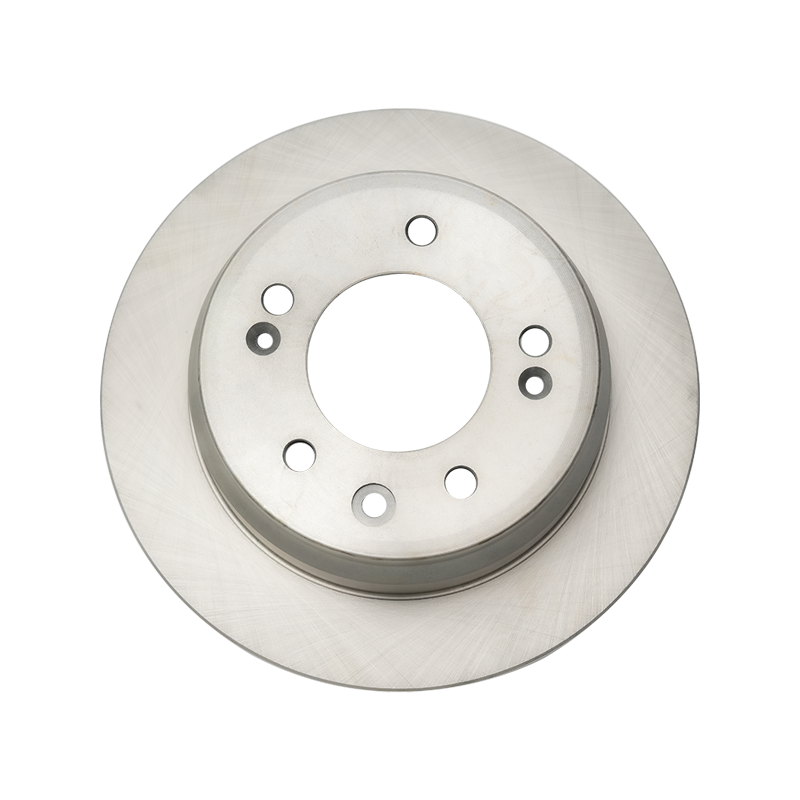 Brake Disc Rotors SuppliersAs China Brake Disc Rotors Suppliers and OE Brake Rotors Factory , Reick Automotive Parts strictly implements procedures such as screening and auditing raw material su...View Product →
No. Air enters only when the circuit is opened or the reservoir runs dry. A pad-only service keeps the system sealed, so the pedal should feel the same immediately after the job.
Not strictly. Retracting the piston moves fluid back to the reservoir but introduces no air. Cracking the bleeder screw while compressing the piston is still the cleaner habit on ABS equipped vehicles, because it keeps used fluid away from the valves.
Most manufacturers specify a fluid service every two to three years, or roughly 30,000 to 60,000 km. Moisture enters through hoses and the reservoir over time, not through the pedal.
No. New pads restore friction, not hydraulic pressure. A soft or sinking pedal points to air, moisture or an internal leak, and it needs bleeding or component repair before the car leaves the bay.
Recommended Products


+86-139 6193 3287
+86-515-88410559

+86-515-88580498

reickchina@reickparts.com

B1002 Huabang Dong No.1# South Renmin Road, Tinghu District, Yancheng City, Jiangsu, China
Copyright © 2024 Yancheng Reick Automotive Parts Co., Ltd. All Rights Reserved.
Automotive Brake Manufacturers Automotive Clutch Parts Suppliers



 English
 Español
 italiano