Home / News / Industry News / Does Brake Fluid Go Bad? Shelf Life, Storage Rules and Real Test Methods
 2026.10.23
 Industry News
Content
A bottle of DOT 4 opened last spring and left on a garage shelf is not the fluid you poured in. Glycol-ether brake fluid is hygroscopic by design: it pulls water vapour out of the air through the reservoir vent, the cap thread, and the wall of a half-empty plastic bottle. Once water content reaches roughly 3 percent, boiling point drops by about a quarter and the corrosion inhibitors are spent. So yes, brake fluid does go bad, and the clock starts the moment the seal is broken.
Brake fluid degrades because absorbing water is part of its job, and that same absorption is what eventually ruins its performance.
Glycol-ether fluid (DOT 3, DOT 4 and DOT 5.1) is blended to hold trace moisture in suspension, so water cannot pool in a caliper bore, freeze there, or pit the metal in one spot. The trade-off is physical: every gram of absorbed water lowers the boiling point of the mixture and consumes the additive package that protects brass, copper and aluminium internals from corrosion.
Definition: hygroscopic means a fluid chemically attracts and holds water vapour from the surrounding air. DOT 3, DOT 4 and DOT 5.1 are all hygroscopic; DOT 5 silicone fluid is not, which is why the two families must never be mixed in the same system.
Three separate processes run at once, and none of them cares how many miles the car has covered:
A factory-sealed bottle is normally usable for two to three years from its fill date, an opened bottle should be treated as a one-month item, and fluid inside a car has a fixed replacement interval whether the car covers 5,000 miles or 50,000.
The bottle is not a real barrier. Polypropylene breathes slowly, and a container stored in a humid workshop takes on moisture through the cap thread every time it is opened. That is why the useful life after opening is measured in weeks, not years. The dry and wet boiling points behind each grade are set out in this DOT 3 brake fluid reference, and they explain why a full reservoir is not the same thing as good fluid.
Water content at which a typical DOT 4 drops from a 230 C dry boiling point to roughly 155 C wet.
| Container or system | Usable life | Main risk |
| Factory sealed, never opened | 2 to 3 years from fill date | Slow moisture passage through plastic; aged additives |
| Opened, cap tight, dry shelf | 1 to 3 months | Moisture absorbed at every opening |
| Opened, cap loose or missing | Days, treat as scrap | Water, dust and solvent vapour |
| In the vehicle, regular use | 24 months or 30,000 miles | Boiling point drop, internal corrosion |
| In the vehicle, low mileage or stored | 24 to 36 months, check yearly | Condensation from temperature cycling |
| Shop dispenser or bulk drum | Check monthly | Headspace moisture, contaminated pumps |
Fresh DOT 3 and DOT 4 are clear and pale amber; fluid that has turned tea-brown or black, or leaves sediment in the reservoir, is finished and should be replaced rather than topped up.
A pedal that sinks toward the floor without any fluid loss is a boiling-point symptom, not a pad-wear symptom. New pads and discs cannot fix fluid that has already absorbed its limit of water.
Water-laden fluid corrodes the parts around it, including caliper pistons, ABS valve bores and steel lines, and those repairs cost ten to twenty times a fluid exchange.
Fresh fluid, under 1% water
Fluid at 3% water or more
Drag is the hidden cost. A caliper that cannot retract holds the pad against the rotor, heat climbs, and the friction pair wears faster than any mileage table predicts. When that pattern shows up on a fleet, the pads and rotors are usually replaced as a set rather than one corner at a time.
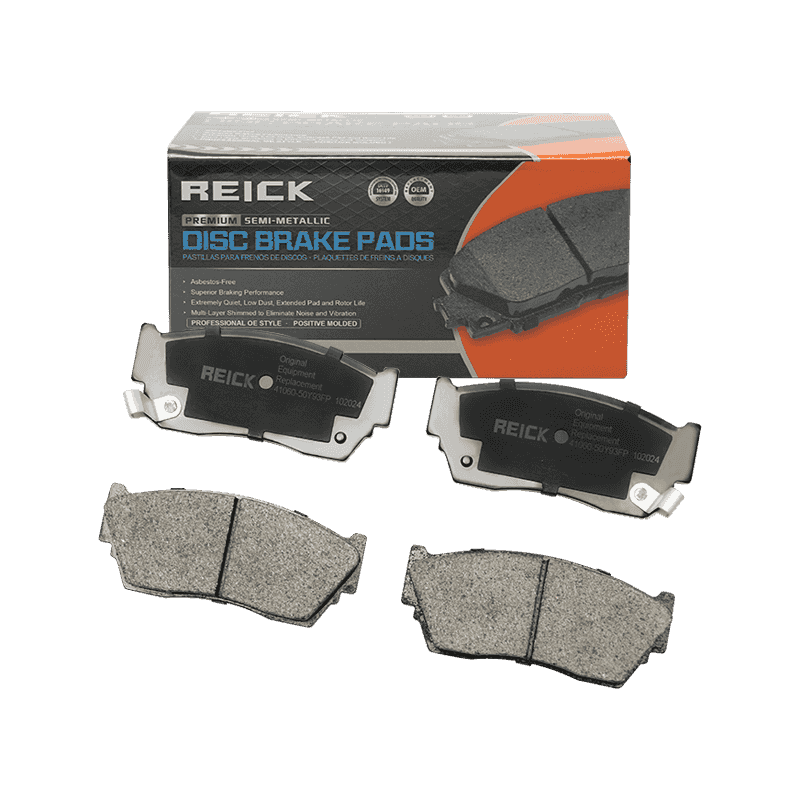
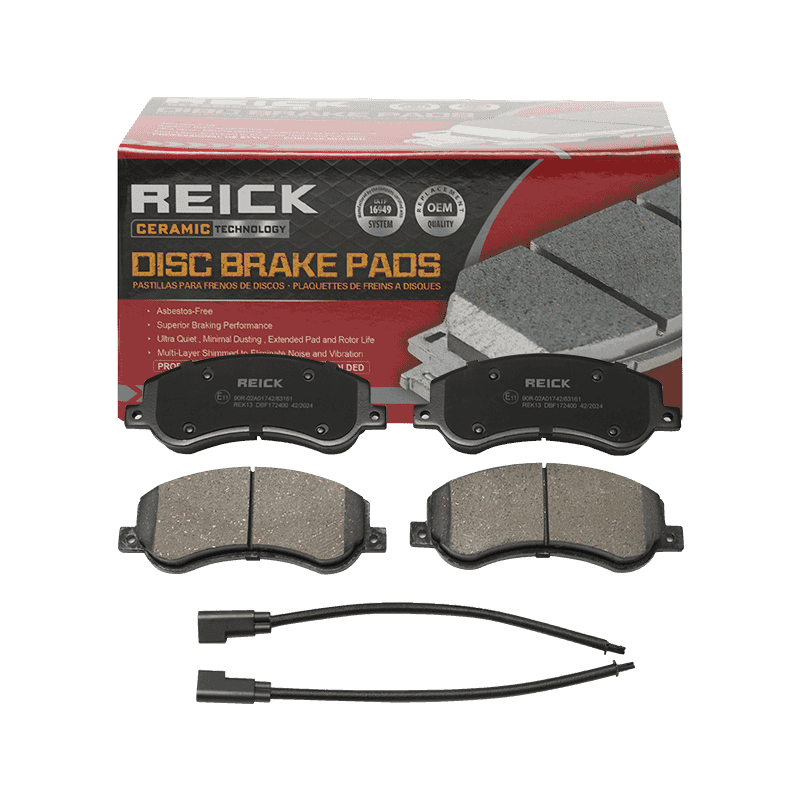
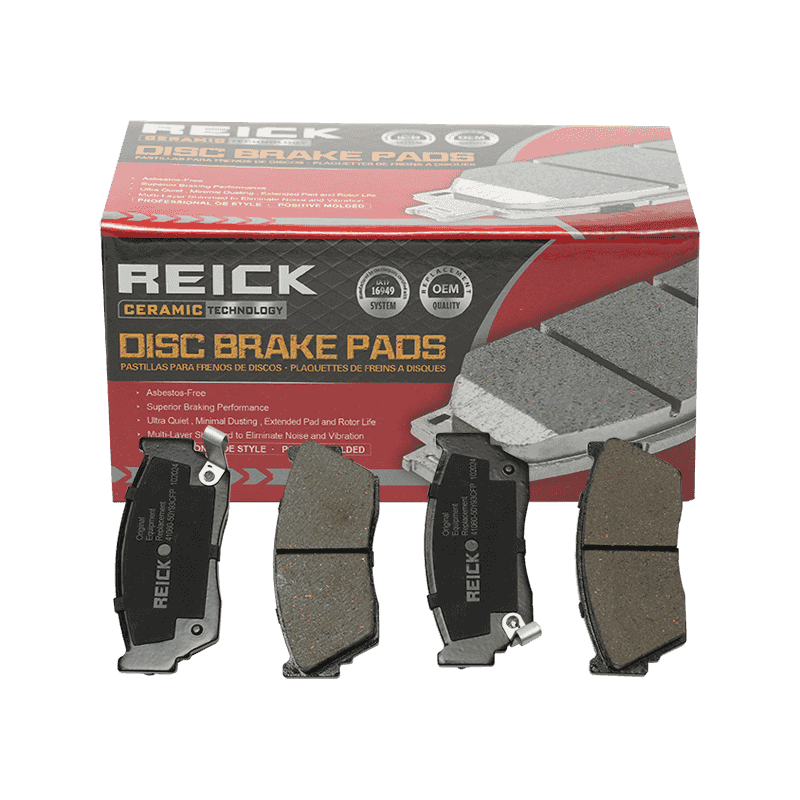 Ceramic Brake Pads for Fleet Brake ServiceCeramic brake pads combining mineral, aramid and ceramic fiber for quieter, heat-resistant braking in fleet pad-and-rotor replacement.View Product →
A neglected reservoir rarely damages one part. It damages a system: fluid, seals, valves and the friction pair on each corner. That is why the flush is the cheapest line on the invoice.
Two tests settle the question: an electronic moisture tester for a quick percentage reading, and a boiling-point tester when the fluid history is unknown.
A moisture reading above 3 percent is a replacement decision, not a maintenance note.
Storage slows degradation but never reverses it: a bottle kept sealed, upright and cool will still lose usable life after two to three years, and an opened bottle will not improve no matter how carefully it is closed.
Bulk dispensers are the weakest link in most workshops. A drum that sits half full for a season collects moisture in the headspace, and a pump that is shared between grades can move mineral contamination into a glycol system.
Brake fluid itself is a low-margin commodity line, but the parts it protects, including pads, rotors, boosters and linings, carry the profit, so a supplier who can consolidate both into one shipment is usually worth the freight saving.
That is the practical reason distributors pair fluid with friction parts on the same purchase order. The fluid brings the service interval forward; the friction parts are what the workshop actually installs. REICK manufactures brake pads in semi-metallic, low-metal and ceramic compounds, brake shoes, discs, linings, boosters and clutch kits, with production run under ISO/TS16949 and ECE R90 compliance. The full range and quality documentation sit in the company profile, which is the fastest way to check fitment coverage before quoting.
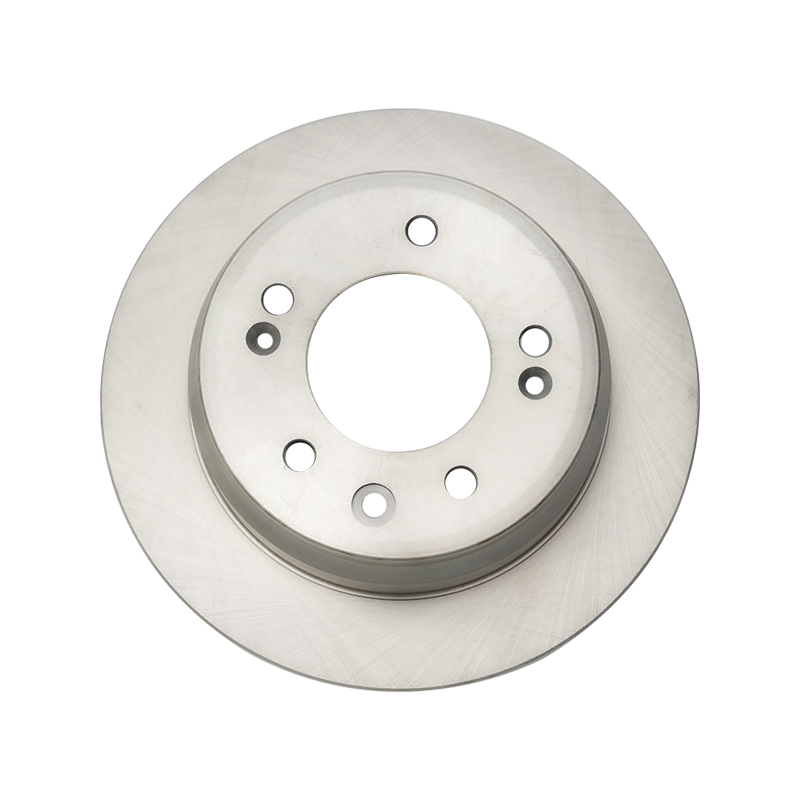 Brake Disc Rotors for Mixed Vehicle ApplicationsOE-standard brake disc rotors with DTV management and drilled or slotted cooling, listed for Hyundai/Kia and Ford F-150 fitments.View Product →
For mixed fleets, the pairing logic is the same but the sizing is different. Heavy commercial vehicles run far higher caliper temperatures, so lining specification matters more than fluid brand, and a lining that fades early will be blamed on the fluid if the service records are thin.
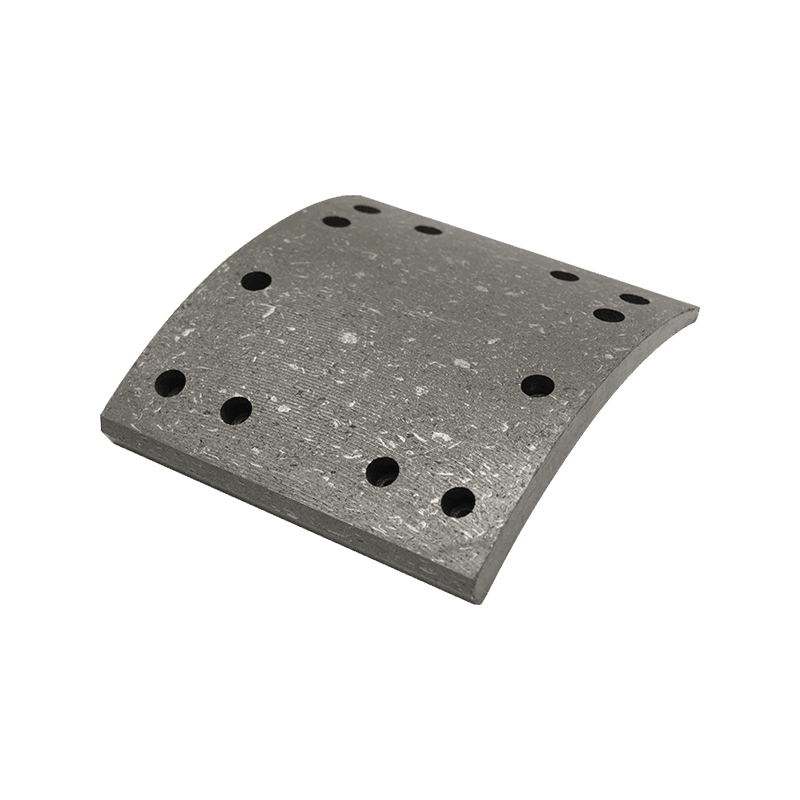 4515 Heavy-Duty Truck Brake LiningHeavy-duty brake lining with high temperature and wear resistance, available in +1, +2 and +3 mm repair sizes for demanding truck service.View Product →
Keep a simple rule on the counter: fluid in a sealed bottle is stock, fluid opened last month is consumable, and fluid from an unknown bottle is waste. The same discipline that protects a customer's calipers protects your comeback rate.
Yes. A sealed bottle carries a fill date and is generally usable for two to three years, because polypropylene allows a slow exchange of moisture with the surrounding air and the additive package ages even without use. Buy from a supplier with visible stock rotation rather than a bottle that has sat on a shelf for years.
Not in a customer vehicle or any system you are responsible for. A capped bottle opened a year ago has had many chances to absorb moisture, and a moisture tester will usually show it well above 2 percent. Keep it for bench work such as bleeding a rebuilt caliper on the scrap bench, or dispose of it through your used-fluid stream.
Every 24 months or 30,000 miles is the standard interval for DOT 3 and DOT 4, with yearly checks on vehicles used for towing, track days or mountain driving. The interval is driven by absorbed water, so mileage is only a secondary guide.
Yes, and often faster than on a daily driver. A parked car still breathes as under-bonnet temperatures rise and fall, and condensation forms in the reservoir and lines. Low-mileage vehicles frequently test worse than high-mileage ones because nobody has flushed the fluid on schedule.
Short answer for a parts counter: brake fluid is a consumable with a date, not a permanent fluid. Treat the bottle and the reservoir the same way and most hydraulic repairs disappear from the workshop calendar.
Recommended Products


+86-139 6193 3287
+86-515-88410559

+86-515-88580498

reickchina@reickparts.com

B1002 Huabang Dong No.1# South Renmin Road, Tinghu District, Yancheng City, Jiangsu, China
Copyright © 2024 Yancheng Reick Automotive Parts Co., Ltd. All Rights Reserved.
Automotive Brake Manufacturers Automotive Clutch Parts Suppliers


 English
 Español
 italiano