Home / News / Industry News / Grooved Rotors: Machined Slots vs Scored Brake Discs and How to Tell Them Apart
 2026.11.19
 Industry News
Content
A rotor comes off a sedan with a set of fine rings across the friction face, and the first question at the counter is whether those rings were machined in at the factory or cut by something the driver ran over. One answer means the part is fine. The other means it is scrap. Mixing them up sends good rotors to the bin and, worse, sends worn ones back onto the road.
Quick answer: grooved rotors are either performance rotors with slots machined into the friction face, or plain rotors that have picked up concentric score marks from debris, a worn pad or a dragging caliper. Machined grooves are evenly spaced and uniform in depth. Score marks are irregular rings, often with a raised burr on one edge and a matching pattern of pad wear.
Both cases appear under the same term, so the practical job is to separate design from damage, then decide whether the part stays, gets machined, or gets replaced. The sections below cover what intentional grooves do, why scored rotors happen, how to tell the two apart with a micrometer and a fingernail, and what to confirm when ordering replacements.
Definition: a grooved rotor is a brake disc whose friction face carries machined slots, or a plain disc that has developed circumferential score marks through wear. Only the first is an engineered feature.
Slots are cut into the casting after grinding, usually three to six per face, and they are specified by width, depth and pattern. Performance discs, light truck upgrades and heavy duty rotors all use some version of the idea. Most of the market still runs plain rotors, because they cost less to machine, run quieter and give the pad a larger contact patch.
That is why the same part number can be described two completely different ways by two different people. A parts counter hears "grooved" and thinks slotted upgrade. A workshop hears it and thinks scored rotor with a seized caliper. The rest of this guide is about closing that gap.
Machined grooves vent gas and dust out of the pad to rotor contact patch, which keeps friction stable when the brakes are worked hard.
Pad resin outgasses once the friction surface gets hot. That gas has to go somewhere. If it stays trapped it behaves like a thin lubricant layer between pad and disc, friction drops and the pedal travels further for the same stop. Grooves give the gas and worn material a route to the edge of the rotor. The same edges scrape glaze off the pad face and clear water and grit during the first metres of a wet stop.
Repeated hard stops from highway speed build heat quickly. Grooves cut the gas layer that causes the first fade, so the third stop feels closer to the first.
Glazed material is scraped away by the slot edges, holding the friction coefficient closer to specification between services.
Water, mud and grit clear faster on off-road and fleet vehicles, where a plain face can stay contaminated for several stops.
The trade-offs are just as real: less pad contact area, faster pad wear, more low speed noise and a higher unit price. Grooved rotors earn their place on track cars, towing vehicles and commercial trucks where brake heat is the limiting factor. On a daily driver with modern ceramic or low-metallic pads, which outgas far less than older semimetallic compounds, the gain is modest.
Score marks are concentric grooves cut by something harder than the rotor surface, and they point to a wear or alignment fault that must be fixed before new parts go on.
Fitting new rotors without fixing the cause simply grooves the new pair within a few thousand kilometres, and the comeback lands on the workshop that supplied the parts.
| Cause | What the face shows | Action |
| Metal to metal pad wear | Bright, sharp edged rings plus heavy dust and grinding noise | Replace pads and rotor together |
| Trapped debris | One or two narrow rings, no heat discolouration | Clean, measure, machine only if thickness allows |
| Sticking caliper or slide pin | Single deep groove, taper wear or one sided pad wear | Rebuild or replace caliper hardware |
| Bearing play or hub runout | Scoring biased to one edge, pedal pulsation | Check runout with a dial indicator |
Look at geometry first: machined grooves are evenly spaced, uniform in depth and run in a straight or gently curved line, while score marks form concentric rings that follow the pad path.
Thickness is the deciding number. Measure with a micrometer at eight points around the face, roughly 10 mm in from the outer edge, and compare the lowest reading with the minimum thickness cast or stamped into the hat. Runout matters as well: anything above about 0.05 mm at the hub face will come back later as pedal pulsation, even if the friction surface looks clean.
A light score you cannot feel with a fingernail and no pulsation is usually safe to monitor; anything deep enough to catch a nail, any crack between the vanes, or any vibration under braking means the rotor comes off.
New rotors still need bedding. Eight to ten moderate stops from around 60 km/h, with cooling time between them, transfers an even layer of pad material and avoids the deposit patches that later feel like warped discs.
Match the rotor to the duty cycle before matching it to a photo: slotted rotors earn their price on track days, towing and heavy trucks, while a plain rotor with a quality pad is cheaper, quieter and adequate for daily driving.
When you order, confirm the dimensional set rather than the marketing name:
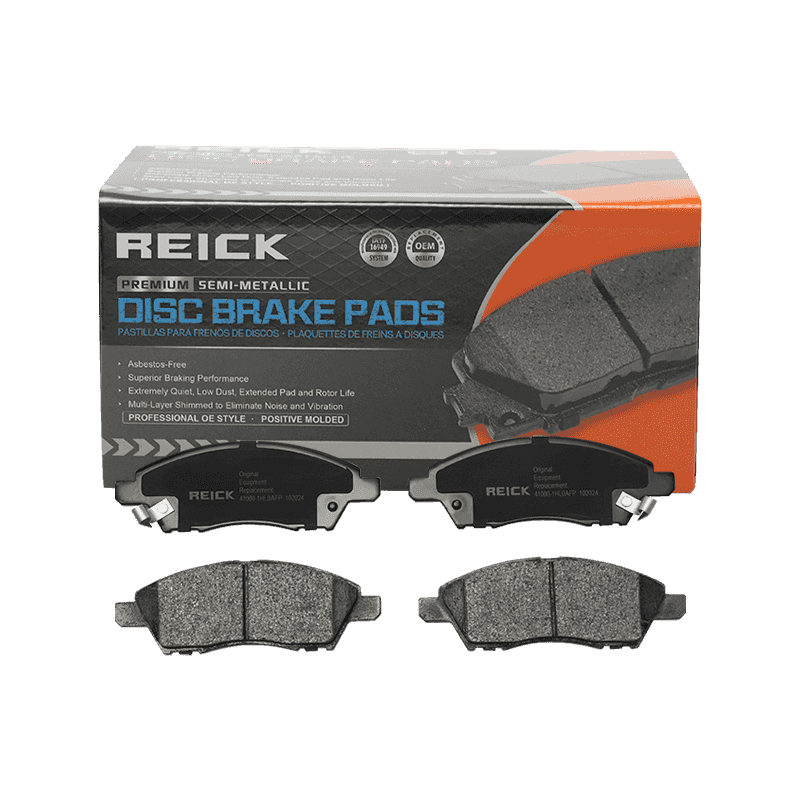
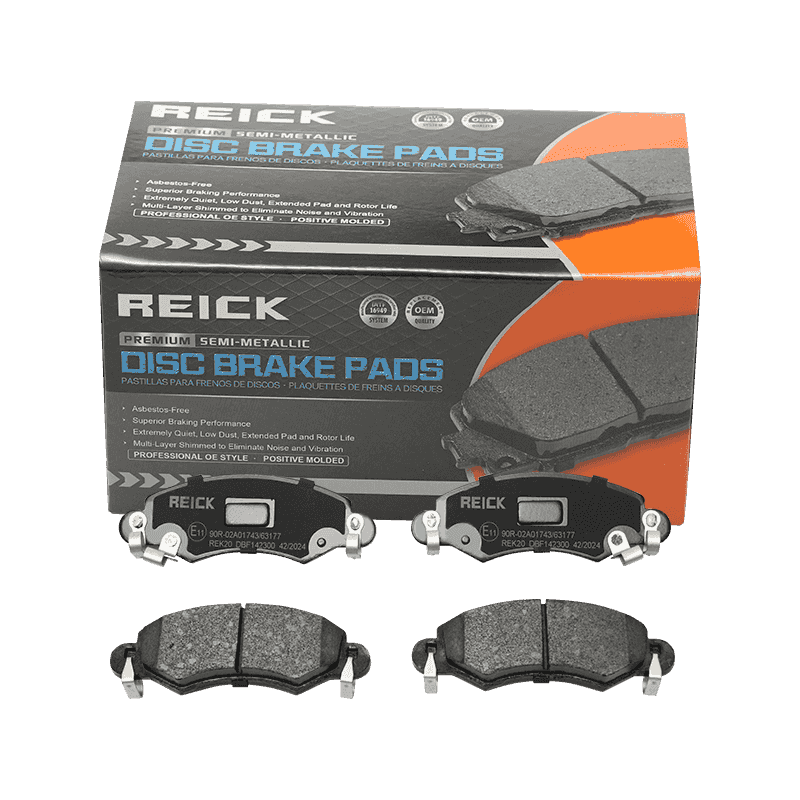
Pad pairing decides how the package behaves. Low dust ceramic brake pads suit daily driving and alloy wheels, while semimetallic compounds handle heat and load better on towing and fleet work. Wear limits, machining rules and replacement intervals are covered in more detail in the brake disc and rotor buying guide.
REICK supplies brake discs and rotors for passenger cars, light trucks and commercial vehicles, with vane count, slot detail and dimensional data listed per part number so a workshop can match by specification rather than by appearance.
 REICK Brake Disc and Rotor RangeBrowse REICK brake disc rotors with listed applications and dimensions for passenger cars, light trucks and commercial vehicles, helping workshops match parts by specification.View Product →
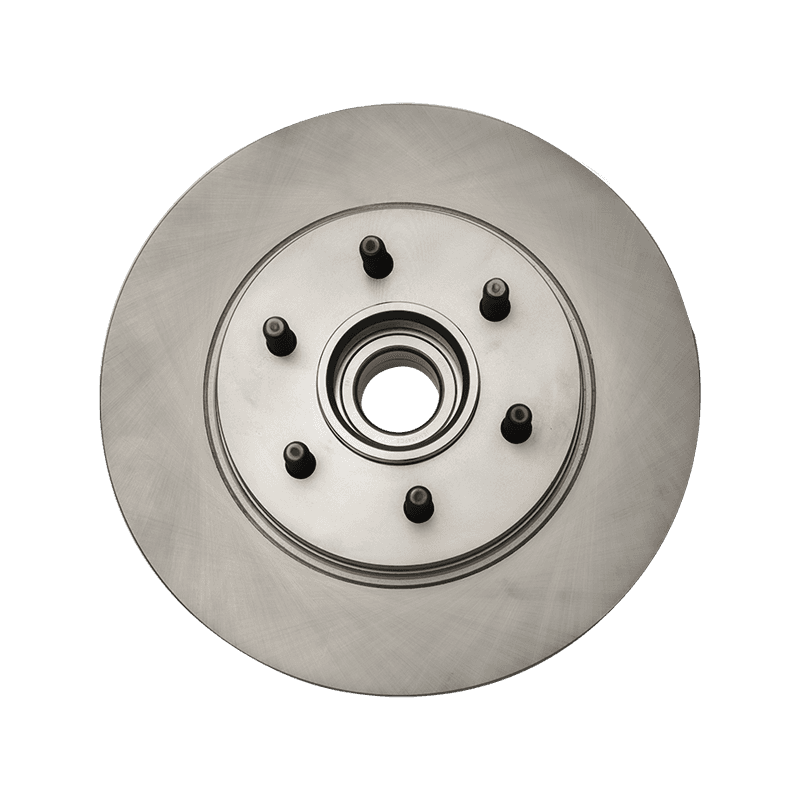
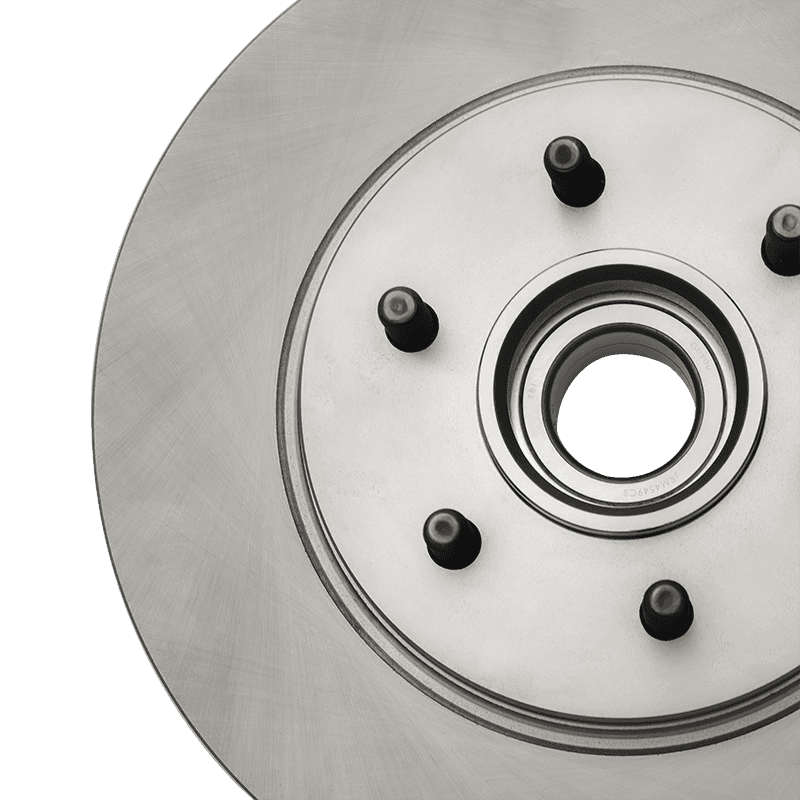 54107 Front Brake Rotor for Ford F150 and Lincoln MarkVentilated front rotor for Ford Truck F150 and Lincoln Truck Mark, with 329.9 mm diameter and 30 mm thickness; listed cross-references aid replacement matching.View Product →
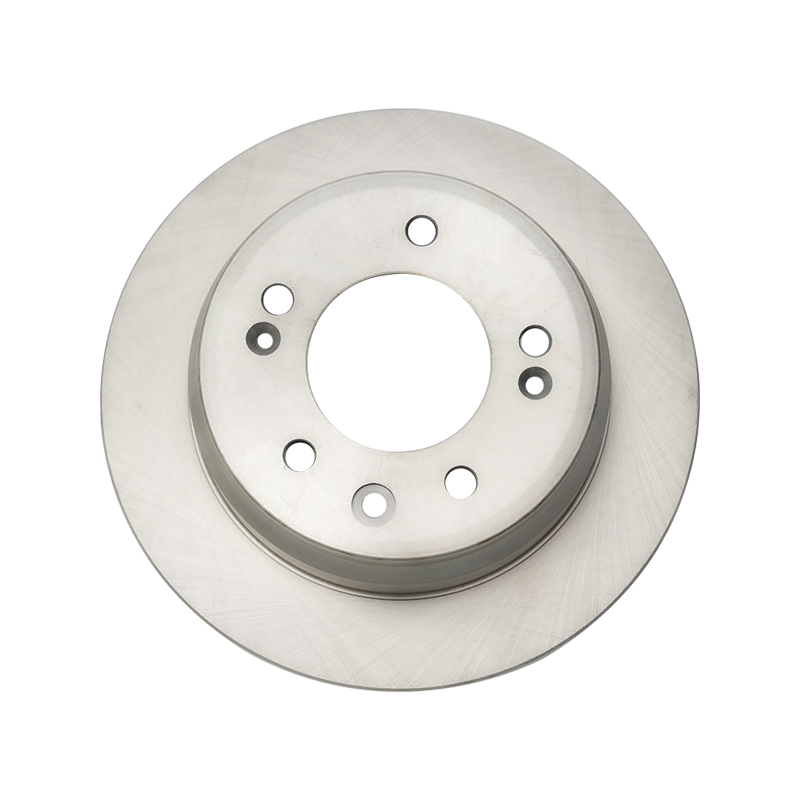
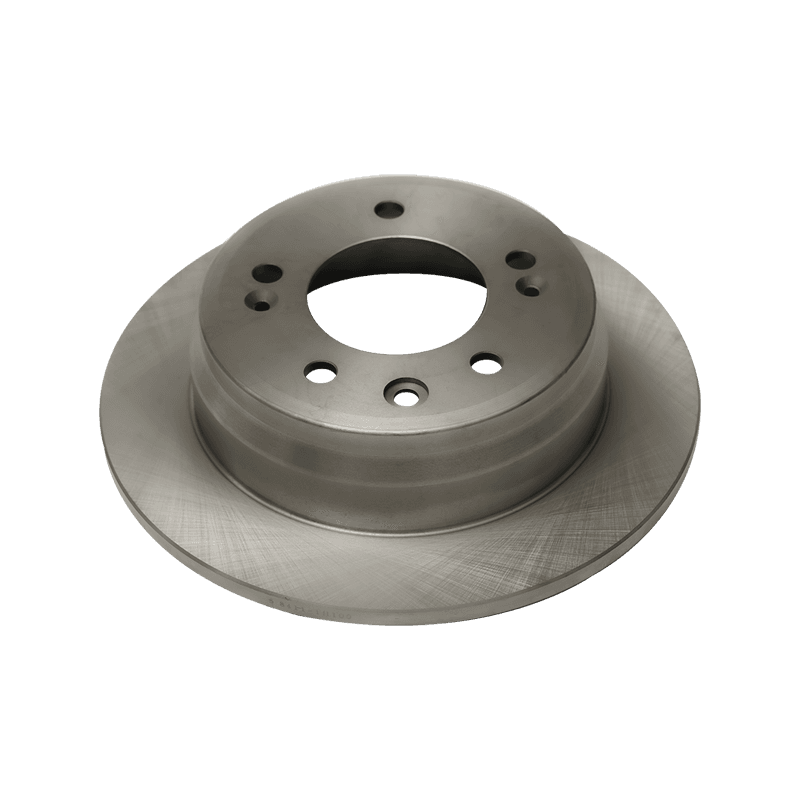 58411-1H100 Rear Brake Rotor for Hyundai and KiaSolid rear rotor for Hyundai Sonata, Kia K5 and Sportage, with 262 mm outer diameter, 10 mm maximum thickness and multiple cross-reference numbers.View Product →
Only under heat. Grooved rotors resist fade and clear water and dust better, but they wear pads faster, make more noise and cost more. For commuting and normal highway use, plain rotors with a quality pad are the better value.
Light scoring that you cannot feel with a fingernail, with no vibration and no grinding noise, can be monitored at the next service. Deep grooves, a pedal pulsing under braking or metal on metal noise mean the rotor should come off now.
Yes, typically. The slot edges continuously scrape the pad face, which keeps it clean but removes material. Expect somewhat shorter pad life than the same pad on a plain rotor, especially in heavy traffic.
Sometimes, if the groove is shallow and enough thickness remains above the manufacturer minimum machining thickness. Once machining would push the disc below that figure, replacement is the only safe route, and rotors should then be changed in axle pairs.
Recommended Products


+86-139 6193 3287
+86-515-88410559

+86-515-88580498

reickchina@reickparts.com

B1002 Huabang Dong No.1# South Renmin Road, Tinghu District, Yancheng City, Jiangsu, China
Copyright © 2024 Yancheng Reick Automotive Parts Co., Ltd. All Rights Reserved.
Automotive Brake Manufacturers Automotive Clutch Parts Suppliers


 English
 Español
 italiano