Home / News / Industry News / Warped Brake Rotors: Symptoms, Real Causes, and When to Resurface or Replace
 2026.09.04
 Industry News
Content
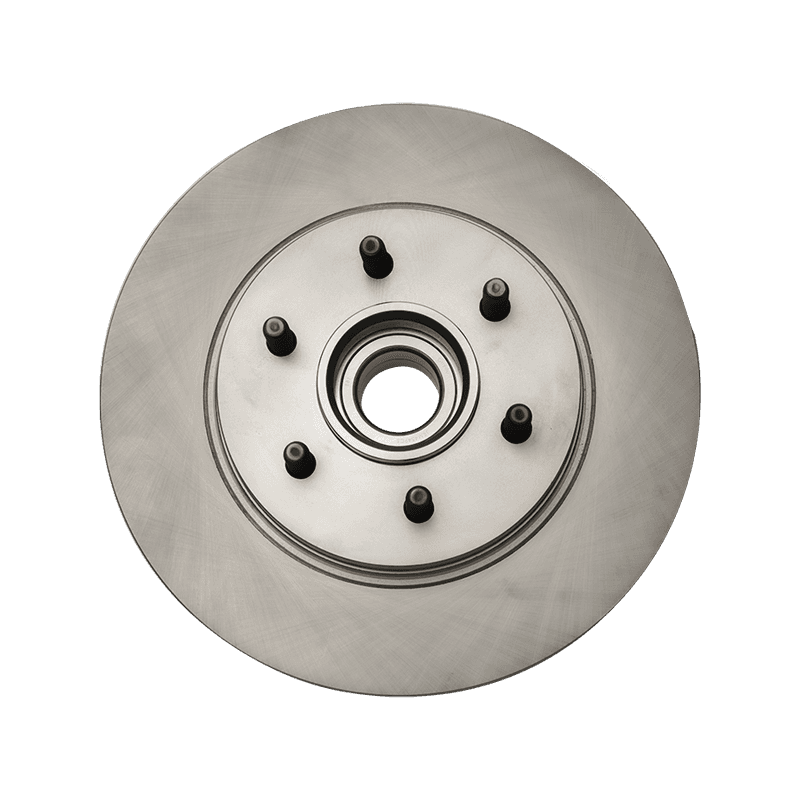
The brake pedal pulses under your foot at highway speed, a rhythmic kick that sharpens the harder you brake, and the verdict comes back within a minute of asking around: warped rotors. It is one of the most common diagnoses in the brake business, and one of the least accurate. A cast-iron rotor on a passenger car or light truck almost never warps in normal service; the material would crack long before it distorts. What drivers feel as warping is nearly always an uneven rotor surface, either thickness variation of a few hundredths of a millimeter or friction material deposited unevenly across the braking face.
Getting the diagnosis right has practical consequences. A rotor covered in uneven pad deposits can often be rescued on a lathe; a rotor with deep heat spots, heavy scoring, or wear past its minimum thickness cannot. The sections below cover what is actually happening, the symptoms worth checking, the causes behind repeat comebacks, and how to decide between resurfacing and replacement.
Under the temperatures a road car can generate, gray cast iron holds its shape. Teardown inspections repeatedly find rotors blamed for pedal pulsation measuring flat once they come off the vehicle. Three conditions produce the pulsing sensation instead, and each calls for a different response.
Disc thickness variation (DTV) means the rotor is measurably thicker at some points around its circumference than others, often by only 15 to 25 microns, roughly 0.001 inch. As each high spot passes between the pads, it pushes the piston back and the pedal kicks. DTV builds gradually as pads wear unevenly across the face or as transferred material wears differently from the surrounding iron.
Runout is the rotor wobbling from side to side as it turns. A new disc mounted on a clean hub should measure roughly 0.05 mm or less. Excessive runout does not always pulse the pedal on its own, but it drags the pads across the face at varying depths mile after mile, which is exactly how DTV develops. Overtorqued lug nuts and dirt trapped between the rotor and hub face are the classic sources.
Brake pads are engineered to lay down a thin, even transfer film on the rotor. A hard stop from speed followed by holding the car at a light with the brakes applied lets the hot pad imprint material onto one zone of the disc. Those deposits grip harder than clean metal, and the pedal starts to pulse even though the rotor's geometry is still within specification.
Uneven rotors announce themselves through feel, sound, and appearance. The signs worth acting on:
The timing of the vibration is a useful filter. If the car shakes at a steady cruise and smooths out when you touch the pedal, suspect wheel balance or a tire issue rather than the brakes. Vibration that appears only under braking and worsens with speed points first to the rotors.
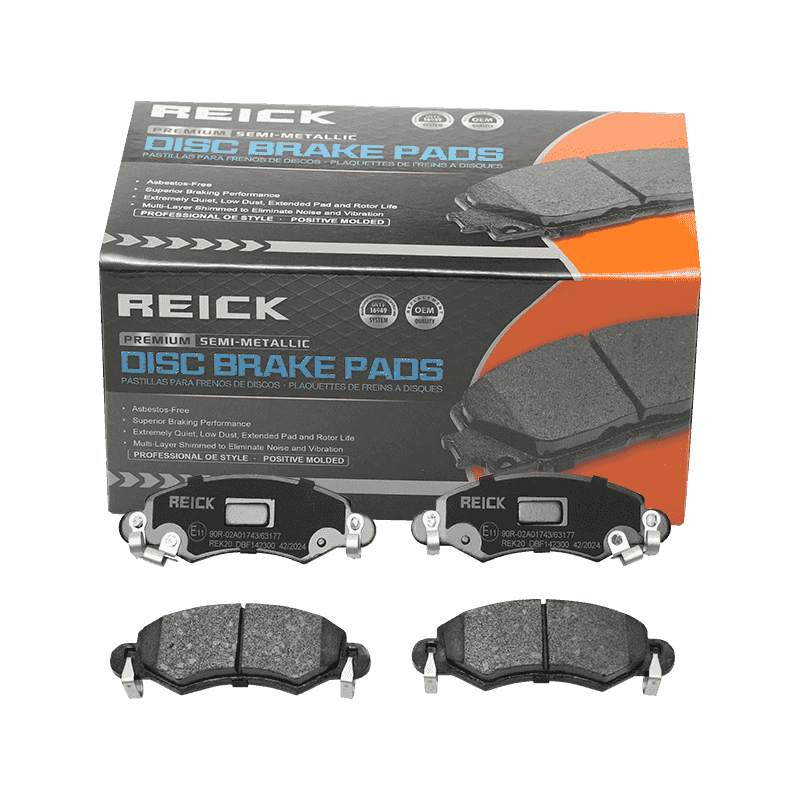
Heat sits behind nearly every case, but the path from heat to a pulsing pedal differs. Sustained heavy braking, from towing or long mountain descents, pushes friction surface temperatures high enough to accelerate uneven wear and, in severe cases, to harden small patches of the casting into a structure no lathe cuts cleanly. A caliper dragging on a seized slide pin keeps one pad in constant contact, cooking a band of the rotor while the rest runs cooler. Pads worn to the backing plate, or a compound mismatched to the vehicle, scar and contaminate the disc face, which is one more reason every rotor job should be paired with a fresh set of brake pads rather than reusing partially worn ones.
Installation practice causes a surprising share of repeat complaints. Rust or a burr on the hub face, a rotor mounted without cleaning the mating surface, or wheels snugged down with an impact gun can all leave runout that was never in the part when it shipped.
The table below summarizes the recurring causes and what actually corrects each one.
| Cause | Effect on the rotor | Corrective action |
|---|---|---|
| Hard braking with heavy loads or on long descents | Overheats the friction face; uneven wear, heat spots | Downshift and brake in stages; replace if heat spots survive machining |
| Sticking caliper or seized slide pins | Constant drag creates a chronic hot band | Service or replace the caliper hardware, then refinish or replace the rotor |
| Overtorqued or unevenly tightened lug nuts | Flexes the rotor against the hub and raises runout | Reinstall with a calibrated torque wrench in a star pattern |
| Hard stop, then holding the car on hot brakes | Imprints pad material onto the disc face | Bed in pads with moderate stops; resurface if pulsation persists |
| Pads worn to the backing plate | Metal-to-metal contact scores deep grooves | Replace pads and rotors together; inspect the caliper |
Resurfacing a rotor on a brake lathe removes transfer deposits and corrects thickness variation, and it is the economical option while the disc still measures above its minimum thickness, the figure usually cast or stamped into the rotor itself and checked with a micrometer at several points around the face. An on-car lathe is worth requesting, because it machines the rotor relative to the hub and corrects runout introduced by mounting, not just variation within the disc.
Replacement is the sounder decision in these situations:
Whichever way the decision goes, fit new pads. A used pad face has already worn to the old rotor's profile and will restart the transfer process unevenly. Bed the new parts in with eight to ten moderate stops from about 50 mph down to 15 mph, cooling between stops, and never park on the brakes until they have cooled. This guide on when it is the right time to change brake discs covers the inspection measurements in detail.
When replacement is the right call, REICK supplies brake discs and rotors for passenger car and light truck applications, with production running under ISO/TS16949-certified processes and dimensional inspection before shipment.
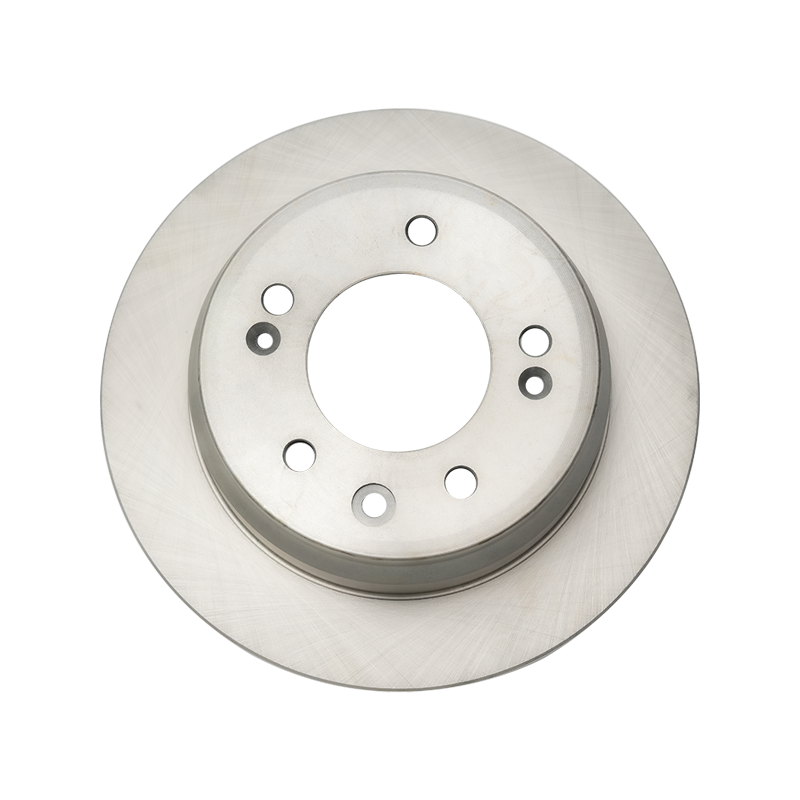 REICK Brake Disc Rotors for Passenger Cars and Light TrucksREICK manufactures brake disc rotors to OE standards under IATF 16949 certified processes, with DTV control, drilled and slotted cooling, and pre-shipment inspection—relevant for buyers checking thickness markings, runout, and coating quality.View Product →
For wholesalers, parts distributors, and repair shops, the purchasing checklist is where pulsation complaints are won or lost. Confirm that the rotor carries its minimum thickness marking, that the supplier controls disc thickness variation and lateral runout at the factory rather than leaving it to the installer, and that the casting is machined clean on both faces. A coating on the hub and vane surfaces slows the rust that ruins rotors on short-trip vehicles in wet climates, and braking products made to ECE R90 give European distribution a regulatory baseline.
Match the disc to the vehicle's duty cycle. The 584111h100 rotor for the Hyundai Sonata, Kia K5, and Sportage is dimensioned for the heat those sedans and crossovers generate in daily service; fitting a thinner or underspecified replacement invites the same complaint back within a few tens of thousands of kilometers.
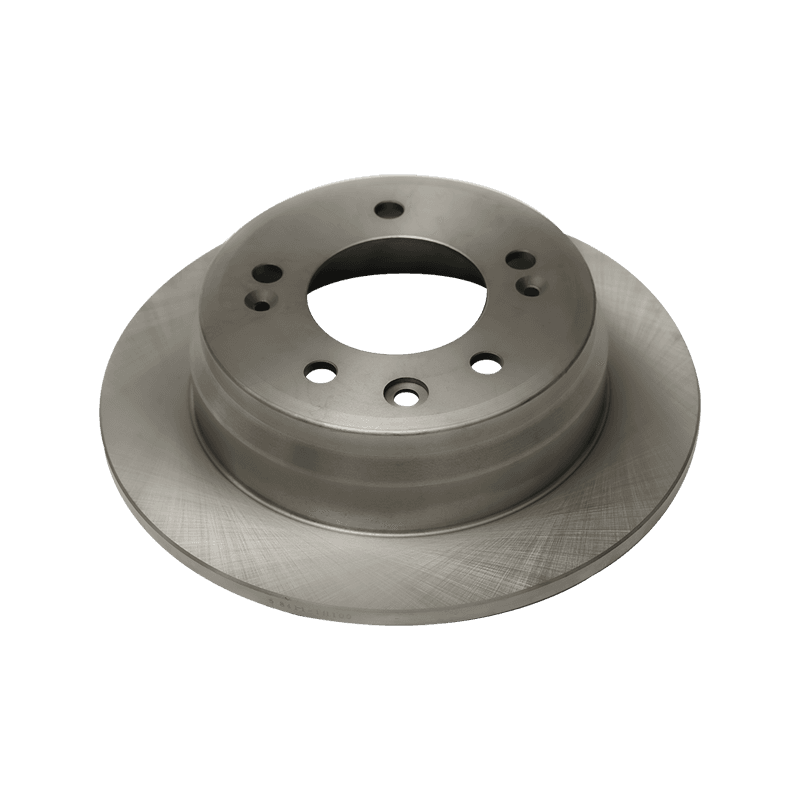 58411-1H100 Brake Rotor Disc for Hyundai Sonata, Kia K5 and SportageThis rotor is dimensioned for the heat generated by Sonata, K5, and Sportage sedans and crossovers in daily service, offering low weight, good vibration absorption, and thermal resistance for correct replacement fitment.View Product →
Heavy applications need thermal mass more than a low unit price. A truck towing a trailer or fully loaded heats its rotors far faster than a lightly loaded sedan, and a thin disc surrenders its heat reserve quickly; the 54107 rotor for Ford F150 and Lincoln truck applications is sized for that duty.
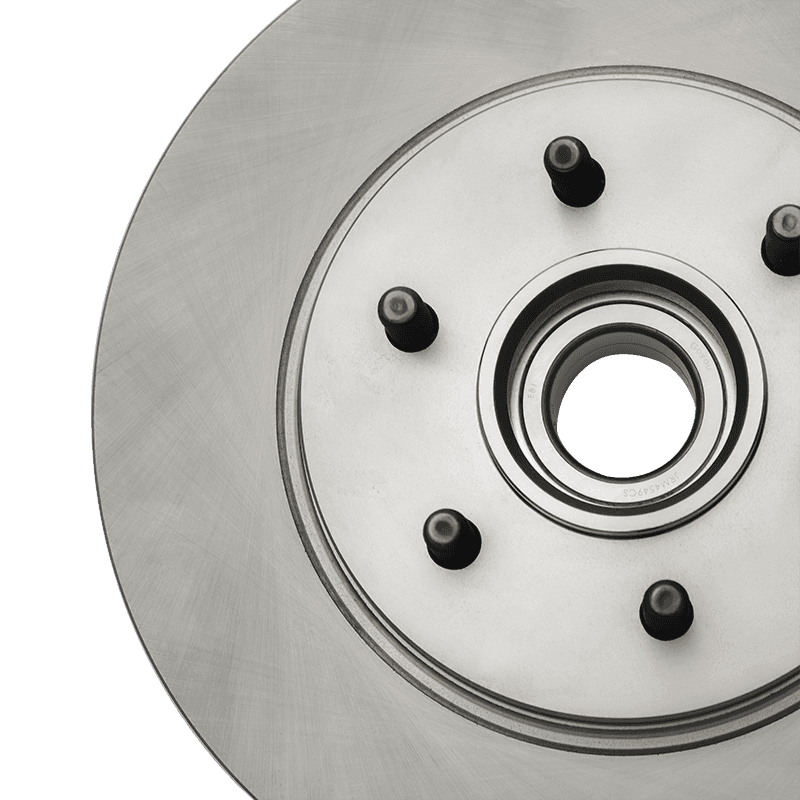 54107 Brake Disc Rotor for Ford F150 and Lincoln TrucksSized with the thermal mass that towing and fully loaded truck applications demand, this rotor resists corrosion and fade-related wear, helping avoid thin-disc heat loss and recurring pulsation complaints.View Product →
Pad compound completes the system. Ceramic pads run cooler, shed less dust, and tend to deposit a more even transfer film, which is gentler on rotor surfaces; semi-metallic compounds resist fade under heavier braking but punish discs more as they wear. Matching the compound to the job keeps the transfer film even, and an even film is the difference between a calm pedal and a pulsing one.
Most repeat cases trace back to a handful of habits, all of them correctable:
Uneven rotors remain one of the most common brake complaints and one of the most preventable. Diagnose with a micrometer and a dial indicator rather than assumptions, choose between resurfacing and replacement on measured thickness, and source rotors and pads from a manufacturer that checks thickness variation and runout before the parts ship. That combination keeps the pedal calm for the life of the vehicle.
Recommended Products


+86-139 6193 3287
+86-515-88410559

+86-515-88580498

reickchina@reickparts.com

B1002 Huabang Dong No.1# South Renmin Road, Tinghu District, Yancheng City, Jiangsu, China
Copyright © 2024 Yancheng Reick Automotive Parts Co., Ltd. All Rights Reserved.
Automotive Brake Manufacturers Automotive Clutch Parts Suppliers



 English
 Español
 italiano