Home / News / Industry News / Understanding the Brake Fluid Reservoir: What It Does, How to Check It, and When to Act
 2026.09.11
 Industry News
Content
Picture this: the brake warning light flickers on during your evening commute. The pedal still feels fine, so you put off the check. When you finally open the bonnet, the brake fluid reservoir is sitting right at the "MIN" line. That small translucent tank just told you exactly what is happening inside your brake system — and what you do next decides whether the fix costs £20 or £400.
The short version: the brake fluid reservoir is both the storage tank and the health monitor for your vehicle's hydraulic brakes. Keep the level correct, keep the fluid clean, and keep the housing undamaged, and you eliminate most unexpected brake failures before they ever start.
The reservoir does three jobs. It stores enough fluid to keep the master cylinder fed at all times. It makes room for the extra fluid that returns from the brake circuits as friction material wears. And it protects the fluid from air and moisture with a sealed cap and rubber diaphragm.
When you press the brake pedal, the master cylinder pushes fluid down the lines to the calipers or wheel cylinders. That hydraulic pressure clamps the pads against the discs, or presses the shoes against the drums. As pad or shoe material wears thinner, the pistons have to extend further to make contact, so the system needs a little more fluid. The reservoir supplies it automatically. That is why a slowly dropping fluid level is normal as friction components wear.
The fluid also expands as it heats up during braking. The reservoir gives that expanded fluid somewhere to go, while the diaphragm in the cap stops air and water vapour from getting in. Air compresses and fluid does not, so even a small amount of air in the system makes the pedal feel soft. The reservoir's seal is your first line of defence against that.
If you want to see how the master cylinder, booster, valves, and friction components work together as a complete system, our guide on how automotive brakes work walks through each part in order.
Open the bonnet and look toward the firewall on the driver's side. The reservoir is a translucent plastic container mounted directly on top of the brake master cylinder. In most cars and light trucks, the master cylinder is bolted to the brake booster, which sits in front of the driver's footwell. The whole assembly is usually easy to spot because the reservoir is the only fluid jar attached to a metal block in that corner of the engine bay.
The outside of the reservoir has two visible markings: "MIN" and "MAX". The fluid level should sit between them. The cap normally has the required fluid type printed or moulded on it, such as DOT 3 or DOT 4. That printed specification is the exact type you should use if you need to top up.
Because the reservoir and master cylinder are mounted directly on the booster, a tired or leaking booster can affect the way the whole assembly sits. If you notice brake fluid staining on the booster casing, or a pedal that slowly sinks toward the floor, the booster deserves attention at the same time as the reservoir. For Hyundai and Kia Sorento owners, REICK makes a direct replacement power brake booster that matches the original mounting and restores firm pedal feel.
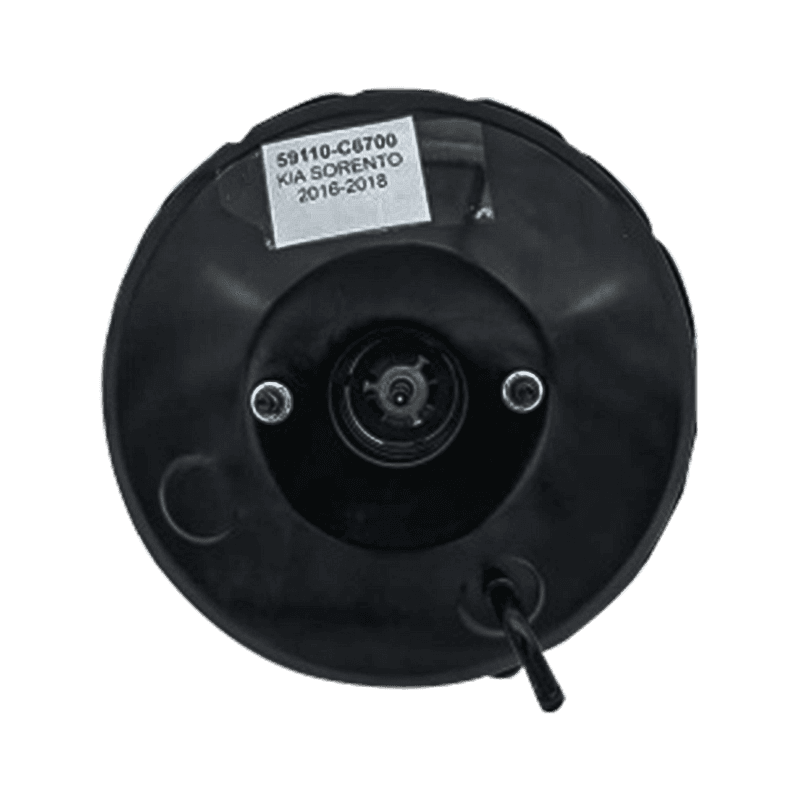 REICK Power Brake Booster for Hyundai and Kia SorentoThis direct replacement booster matches original mounting for Hyundai and Kia Sorento. A worn booster can affect the master cylinder assembly and pedal feel, making this a relevant check when inspecting the reservoir.View Product →
Checking the reservoir takes less than a minute. Do it on level ground with the engine off and the car parked. Here is the sequence we recommend:
Two mistakes show up again and again in workshops. The first is overfilling: brake fluid expands when it gets hot, and an overfilled reservoir will push fluid out past the cap, where it can attack paintwork and wiring insulation. The second is using the wrong fluid, particularly DOT 5 silicone in a system designed for DOT 3 or DOT 4. Silicone fluid does not absorb water the same way, it has a different viscosity, and it is not compatible with ABS components. When in doubt, read the cap or the owner's manual.
Brake fluid is rated by DOT standards, and the rating controls how hot the fluid can get before it boils. A boiling brake system produces vapour bubbles, and vapour is compressible — which means a pedal that goes soft or hits the floor mid-braking. The table below summarises the main types you will encounter at the parts counter.
| Specification | Base | Dry boiling point | Wet boiling point | Typical use |
|---|---|---|---|---|
| DOT 3 | Glycol-ether | 205 °C (401 °F) | 140 °C (284 °F) | Older cars, light trucks |
| DOT 4 | Glycol-ether with borate | 230 °C (446 °F) | 155 °C (311 °F) | Most modern passenger cars |
| DOT 5.1 | Glycol-ether | 260 °C (500 °F) | 180 °C (356 °F) | High-performance and heavy-duty use |
| DOT 5 | Silicone | 260 °C (500 °F) | 180 °C (356 °F) | Classic cars, some motorcycles; not for ABS |
The exact number matters less than the specification printed on the cap. A quality DOT 4 fluid covers the vast majority of modern passenger vehicles, and DOT 5.1 is a reasonable choice for modified cars that see heavy braking. Whatever you choose, do not mix different types unless the manufacturer explicitly says they are compatible.
Your reservoir gives you four clear signals that something needs attention:
Low level is the most common reason a reservoir draws attention, and it is also the most misunderstood. Topping the fluid back up fixes the symptom, not the cause. If the level drops quickly, suspect a leak at a caliper, wheel cylinder, or brake line. If it drops slowly over thousands of miles, normal friction-material wear is the likely explanation. As pads wear, the caliper pistons extend, and each brake application draws slightly more fluid from the reservoir.
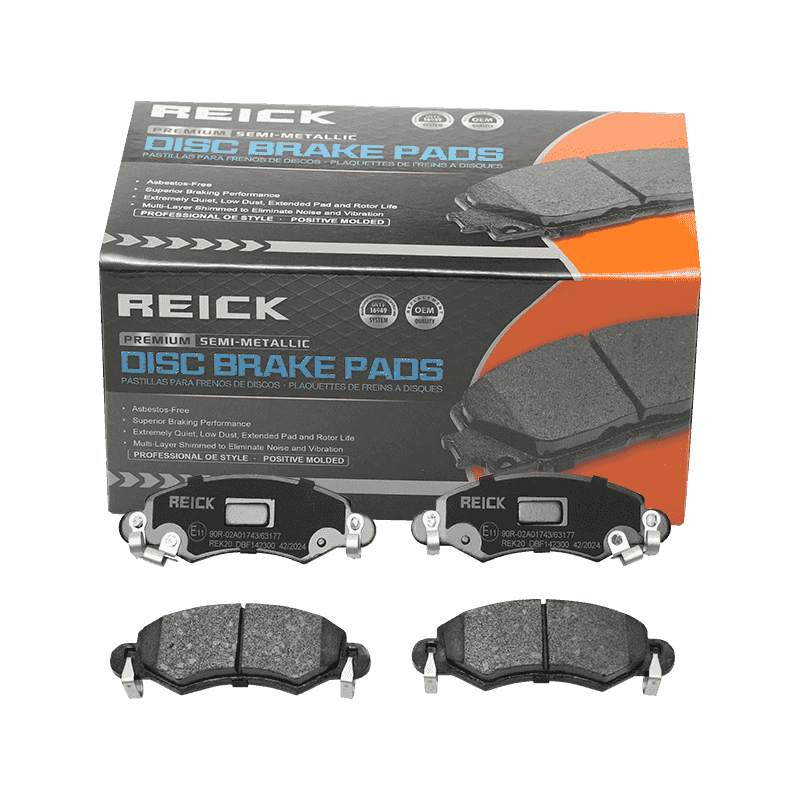
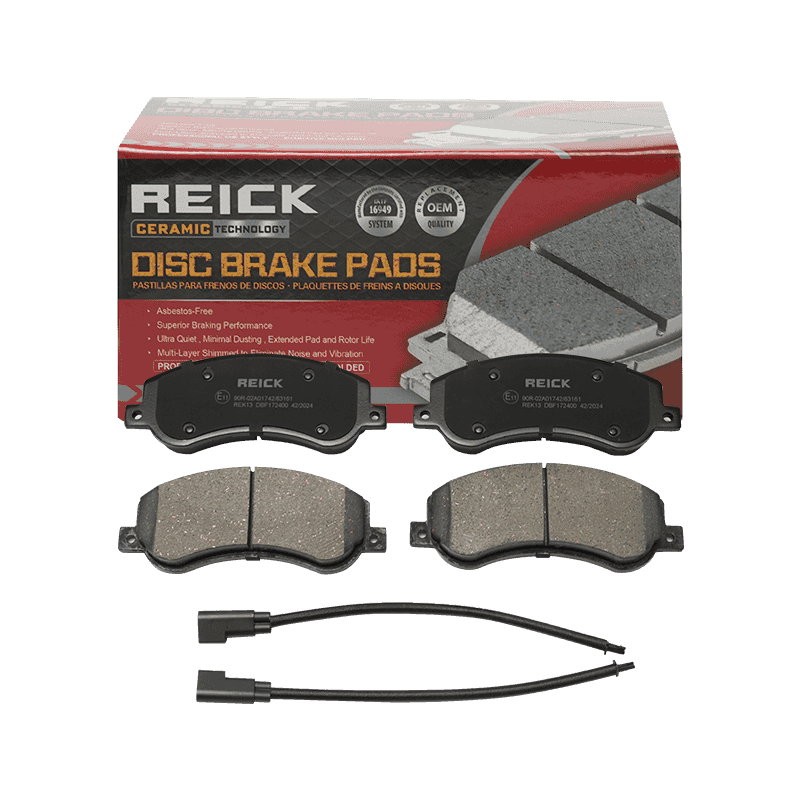
The rate of that drop depends heavily on the friction material. A well-made ceramic pad wears slowly and predictably, so the reservoir level falls gradually and you can plan a service instead of getting surprised mid-commute. That is why REICK's ceramic brake pads, available for applications like the Mazda Familia and Nissan Sentra, are a practical choice for drivers who want stable performance and fewer top-ups between services.
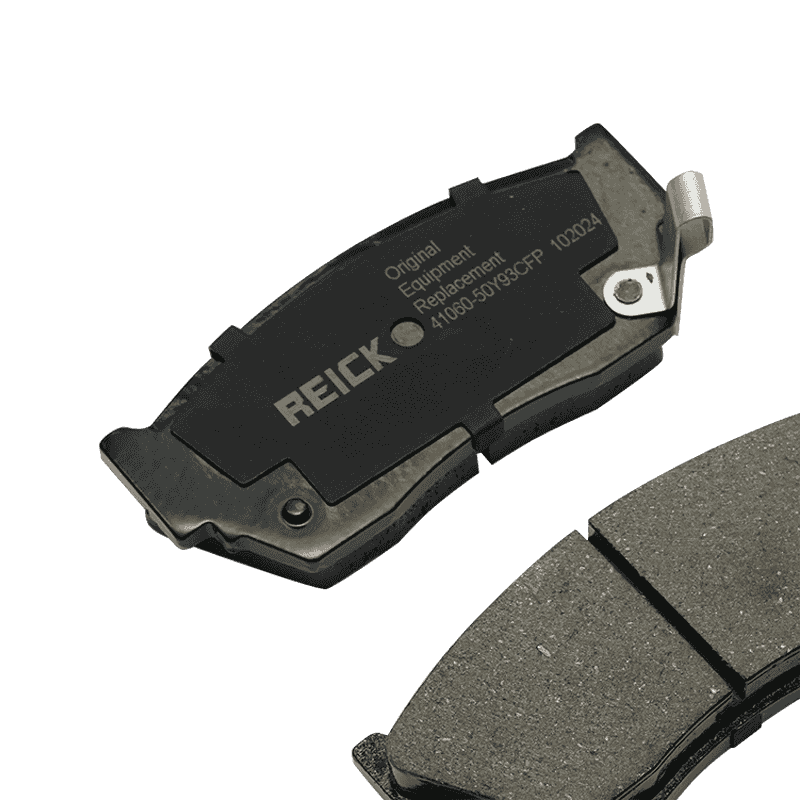 REICK Ceramic Front Brake Pads for Mazda, Nissan, SubaruThese ceramic pads are asbestos-free and formulated for low noise and fade resistance. Their predictable wear keeps the brake fluid level stable, reducing the need for frequent reservoir top-ups between services.View Product →
Brake fluid is hygroscopic, meaning it absorbs moisture from the air. In normal use, a glycol-based fluid can pick up 1–2% water per year. Moisture lowers the boiling point and promotes corrosion inside the calipers, wheel cylinders, and master cylinder. The usual recommendation is a full fluid flush every two years or about 30,000 miles, but always follow the service schedule in your owner's manual.
A flush removes the old, contaminated fluid from the reservoir, lines, and components, and fills the system with fresh fluid. The reservoir itself seldom needs replacement, but you should inspect it for cracks, brittleness, or staining every time you check the level. If it looks damaged, replace it and use fresh fluid. Never pour old drained fluid back in, and never reuse fluid that has been sitting in an open container.
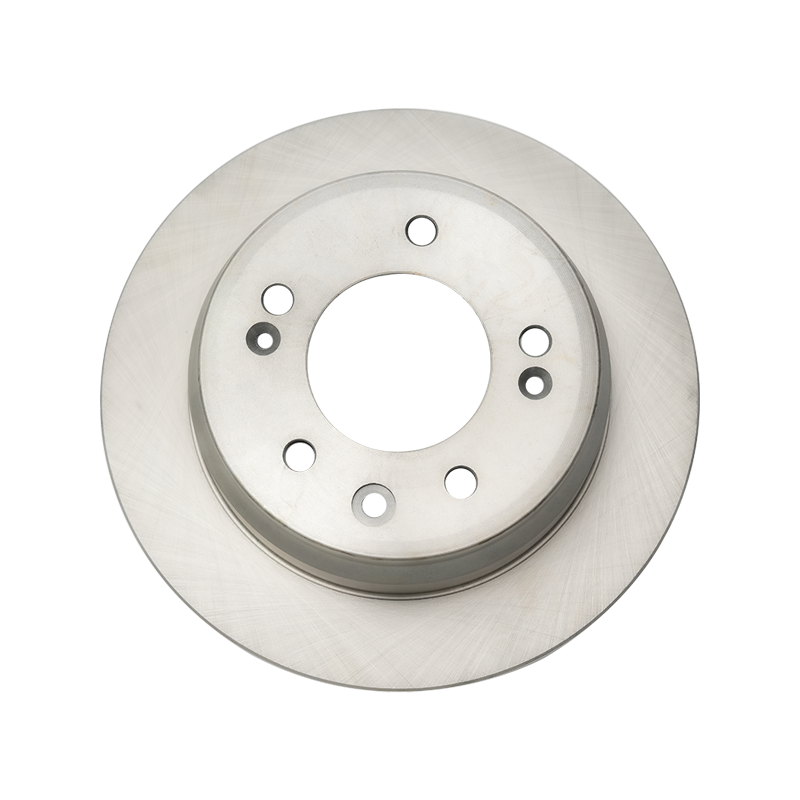
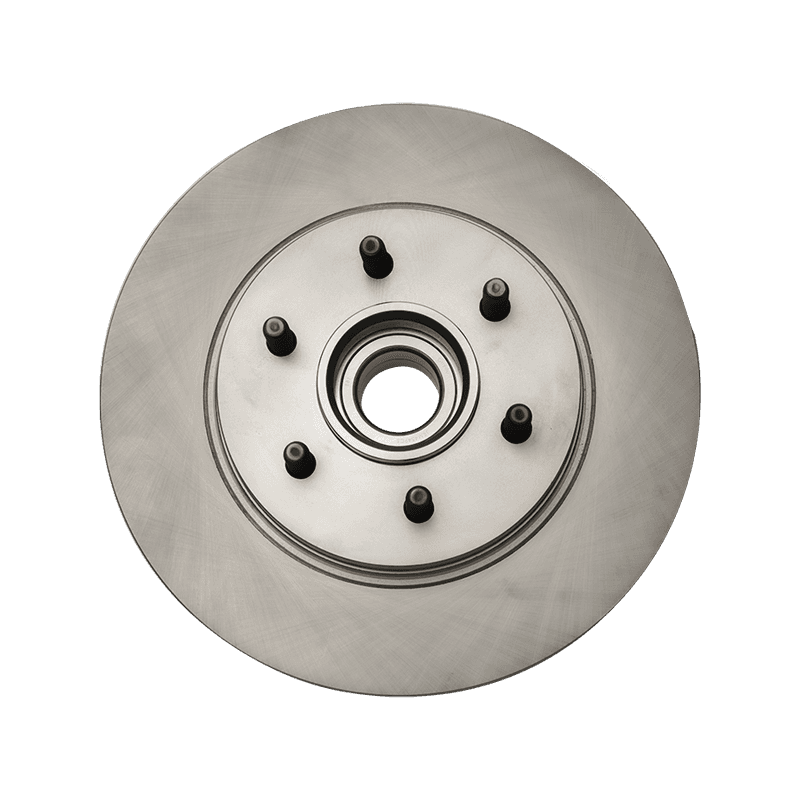
The brake system is only as strong as its weakest link. Reservoir, lines, master cylinder, booster, calipers, pads, and discs all depend on one another. When you replace worn friction material, check the disc surface at the same time — a scored or warped disc will quickly ruin a new set of pads. REICK machines its brake discs to match original dimensions, which is why the range includes direct-fit rotors for popular sedans like the Hyundai Sonata and Kia K5.
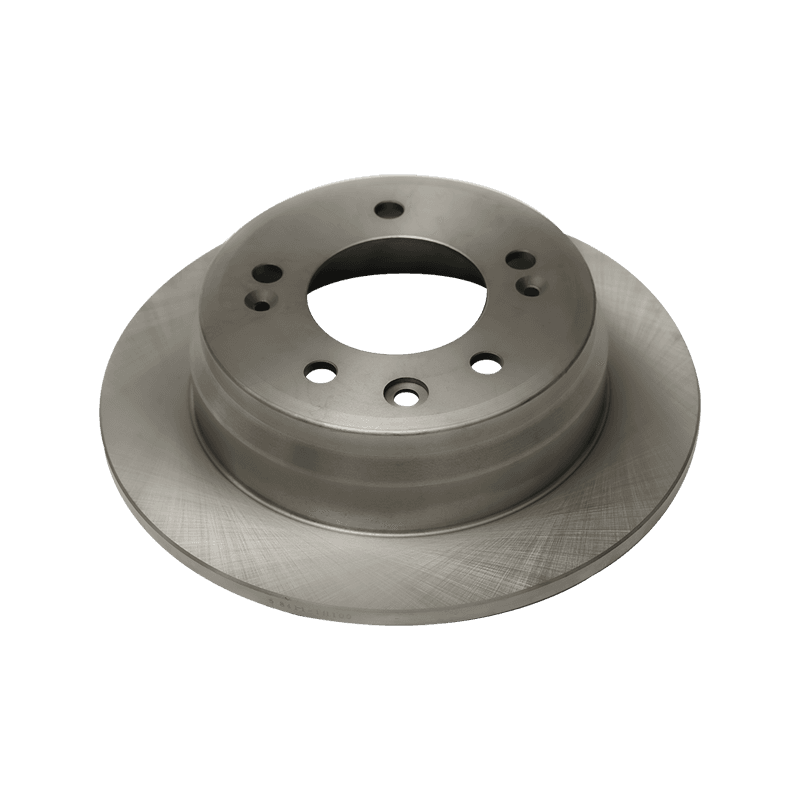 REICK Brake Rotor Disc for Hyundai Sonata, Kia K5, SportageThis direct-fit rotor is machined to original dimensions for Hyundai Sonata, Kia K5, and Sportage. Checking the disc surface when replacing pads is essential; a scored or warped rotor can quickly damage new brake pads.View Product →
If you take one habit away from this article, make it this: check the brake fluid reservoir every other time you open the bonnet. Thirty seconds of looking saves you a tow truck call and a much larger repair bill.
The brake fluid reservoir has no moving parts, costs little to replace, and yet it sits at the centre of the most safety-critical system on your vehicle. It stores the fluid that makes braking possible, it compensates for wear, and it warns you when something is wrong. Keep it at the right level, use the correct fluid, and act on its signals promptly. Your brakes will stay consistent, your pedal will stay firm, and you will never have to learn what a complete brake hydraulic failure feels like.
Recommended Products


+86-139 6193 3287
+86-515-88410559

+86-515-88580498

reickchina@reickparts.com

B1002 Huabang Dong No.1# South Renmin Road, Tinghu District, Yancheng City, Jiangsu, China
Copyright © 2024 Yancheng Reick Automotive Parts Co., Ltd. All Rights Reserved.
Automotive Brake Manufacturers Automotive Clutch Parts Suppliers



 English
 Español
 italiano